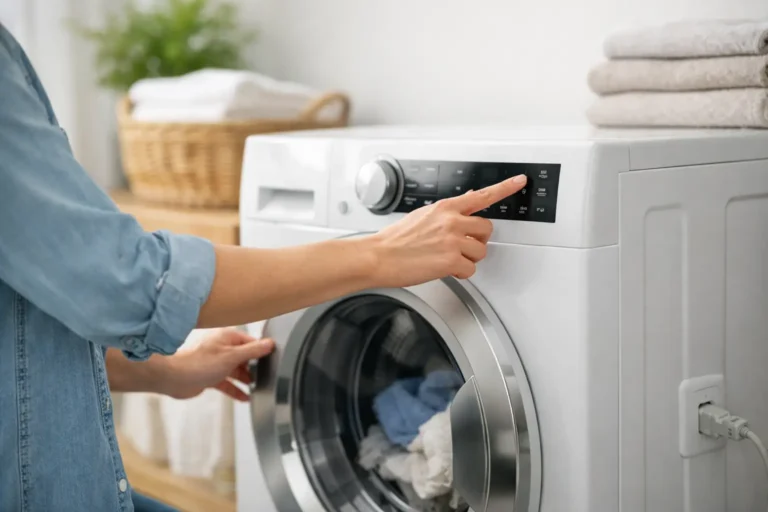
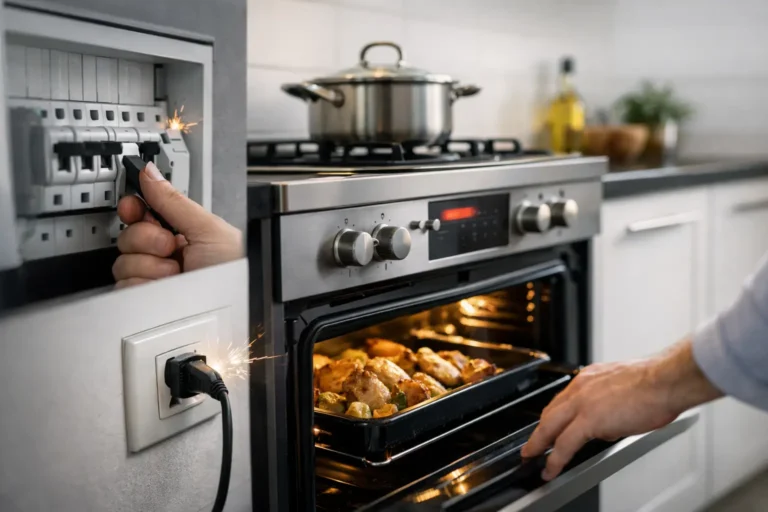
A washing machine that will not drain before the school run, a fridge freezer warming up overnight, or an oven failing just before guests arrive all create the same problem: you need a clear answer, not a vague promise that someone may turn up. This home appliance repair booking guide explains how to book confidently, what to ask for and how to make sure the visit is worth your time.
Decide whether the fault needs urgent attention
Some appliance problems can wait a day or two. Others should be dealt with immediately, either because they could cause damage or because using the appliance may be unsafe. Switch the appliance off and stop using it if you notice burning smells, smoke, repeated tripping at the consumer unit, visible damage to a cable, water leaking near electrical connections or a strong chemical smell from a fridge freezer.
For cooling appliances, act quickly if food is no longer staying cold or frozen. Keep the door closed as much as possible while you arrange help. If an American-style fridge freezer is leaking, has stopped cooling or is displaying a fault code, a properly qualified engineer matters. Work on sealed refrigeration systems should be carried out by an F-Gas certified professional.
A less urgent fault can still disrupt a busy household. A dishwasher that leaves standing water, a tumble dryer that takes two cycles to dry clothes or an induction hob with one failed zone may be repairable without replacing the appliance. Booking promptly can prevent a minor issue from becoming a larger one.
What to have ready before you book a repair
The quickest bookings happen when the engineer has enough information to plan the visit properly. You do not need to diagnose the fault yourself, but a few details can make a real difference to the first visit.
Start with the appliance type, make and full model number. The model number is usually on a rating plate inside the door, around the frame, behind a flap or on the rear of the appliance. For a fridge freezer, it may be inside the fridge compartment. Take a clear photograph if the label is difficult to read.
Then describe what the appliance is doing, rather than guessing which part has failed. For example, say that the washing machine fills but does not spin, the dishwasher runs but the dishes remain cold, or the oven fan works but there is no heat. Include any error code, unusual noise, leak, burning smell or point in the cycle where the problem occurs.
It also helps to mention the appliance age, whether it has been repaired before and when the fault started. A short video of an intermittent noise or an error message can be useful. These details allow a repair company to check likely parts availability, especially for brands such as Bosch, Miele, Samsung, Neff, Siemens and LG.
Use this home appliance repair booking guide to compare service promises
A booking form or phone call should give you more than a date. The service terms tell you how much uncertainty you are taking on. Look for a defined arrival window, a clear explanation of the diagnostic process and written confirmation of the booking.
A guaranteed 90-minute arrival window is far more practical than being asked to wait at home all day. This is particularly valuable for tenants arranging access, landlords managing a property, and households balancing work commitments or childcare. Ask how you will be updated if traffic or an earlier job affects the schedule.
Check who will be visiting your home. A professional repair service should be able to explain its engineer standards, including relevant certification, insurance and background checks. DBS-checked engineers provide additional reassurance where children, vulnerable residents or rental properties are involved.
It is also sensible to ask whether the company repairs your specific appliance category. Coffee machines, induction hobs, integrated dishwashers and American-style fridge freezers each have different access, diagnostic and parts requirements. A general handyman may be suitable for simple fitting work, but complex electrical, electronic or refrigeration faults need a specialist.
Understand pricing before the engineer arrives
Price is often the biggest concern when booking a repair, and rightly so. The cheapest advertised call-out is not always the lowest final cost if labour, parking, parts, VAT or a return visit are added later. Ask whether the quote is fixed once the fault has been diagnosed and whether there are any circumstances in which it could change.
A transparent provider will explain what the initial assessment covers and obtain your approval before carrying out chargeable work. The final cost can depend on the fault and the part required, particularly with control boards, compressors, pumps and heating elements. That is normal. What is not acceptable is being pressured into work without a clear price.
A no-fix-no-fee policy reduces the risk of paying for a repair that does not resolve the problem. Confirm what the policy means in practice, as terms can vary between companies. Also ask about the warranty. A 12-month written parts and labour warranty gives you a documented route back if the same repaired fault returns.
Genuine parts are usually the sensible choice where they are available, particularly for premium or newer appliances. Compatible parts may cost less in some cases, but the decision should be explained plainly. The right option depends on the appliance age, the part involved and whether the repair remains good value against replacement.
Prepare the appliance and your home for the visit
A little preparation can save time on the day. If it is safe to do so, empty the appliance of laundry, dishes or food that may obstruct access. Do not pull out a heavy integrated appliance, disconnect wiring or remove panels yourself. Engineers need to assess the installation safely, and forced movement can damage flooring, hoses or cabinetry.
Make sure there is a clear route to the appliance and move fragile items nearby. For washing machines and dishwashers, note whether the stopcock is accessible. For built-in ovens and hobs, let the booking team know if the appliance is integrated or if access is restricted by custom units.
If you are a tenant, check your tenancy agreement before arranging work. Some landlords prefer to appoint their own contractor, while others will reimburse a repair when evidence and invoices are provided. For landlords and managing agents, provide the engineer with a reliable contact, access instructions and approval limits where appropriate.
Be ready for the repair-or-replace conversation
A good engineer should not automatically recommend repair. They should assess the fault, appliance condition, likely remaining lifespan and cost of the required parts. A relatively young washing machine with a failed drain pump is often a straightforward repair. An older appliance with multiple faults, heavy corrosion or a costly sealed-system failure may not be the best use of your money.
Ask three direct questions: what has failed, what will the repair cost, and how likely is the appliance to give reliable service afterwards? You can then make an informed decision without sales pressure.
Replacement has its own costs beyond the purchase price. There may be delivery delays, installation charges, disposal fees and compatibility issues with integrated doors, cabinetry or existing connections. Repair is frequently the faster and less wasteful option when a reliable fix is available.
What should happen after the engineer leaves
Before the visit ends, ask for a clear explanation of the work completed and any advice for using the appliance. Test the key function where practical: a wash cycle may not be completed during the appointment, but the machine should fill, drain or spin as relevant. For an oven, confirm it heats correctly. For a fridge freezer, ask when normal temperatures should return.
Keep the invoice, warranty details and any notes about fitted parts. If the fault reappears, report it promptly and describe exactly what has happened. A professional company should have a straightforward process for warranty follow-up rather than leaving you to start again with a new booking.
For households across West London, from Ealing and Chiswick to Hammersmith, Harrow and Uxbridge, a well-managed booking turns an appliance breakdown from a drawn-out inconvenience into a practical repair decision. CrownTech Appliances combines same-day availability, qualified engineers, fixed-price clarity and a written 12-month warranty so you know where you stand before work begins.
When an appliance stops working, do not settle for an open-ended appointment or unclear charges. Book with the right details, ask direct questions and choose a repair service that treats your time, home and budget with the care they deserve.