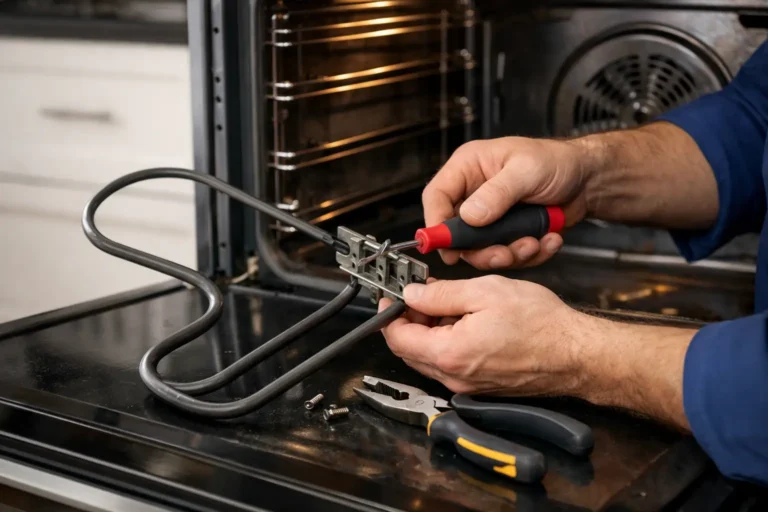
A Miele dishwasher rarely fails without warning. More often, it starts with a door that will not latch properly, a cycle that runs far longer than usual, water left sitting in the base, or plates that come out cloudy despite using the same detergent you always have. When that happens, a Miele dishwasher repair specialist is usually the difference between a precise fix and an expensive guessing game.
Miele machines are built to a high standard, but that does not make them simple. They use brand-specific components, fault logic and internal layouts that reward experience. For households that rely on the dishwasher every day, the real issue is not just the fault itself. It is the disruption, the uncertainty over cost, and the worry that you will book someone who turns up late, changes the quote, or does not know the brand well enough to repair it properly.
Why a Miele dishwasher repair specialist matters
With some appliances, general repair knowledge is enough. With Miele, specialist experience matters more. These dishwashers are designed differently from many budget and mid-range models, and they often include more advanced sensors, circulation systems and safety features. A misdiagnosis can lead to wasted parts, repeat visits and a bigger bill.
A genuine specialist understands the patterns behind common Miele faults. That includes knowing whether a drainage issue is really a blocked pump, a pressure switch problem, a wiring fault, or a control board issue presenting with the same symptom. It also means understanding when a leak trace points to a worn seal and when it suggests a more serious internal component failure.
That is where customers save time and money. A proper diagnosis up front reduces trial-and-error repairs, keeps costs clearer and improves the chance of a first-visit fix.
The faults Miele dishwashers commonly develop
A Miele dishwasher can fail in several ways, and the visible symptom does not always identify the true cause. Water remaining in the bottom after a cycle is one of the most common complaints. In some cases, this is a straightforward blockage in the filter or drain path. In others, it is linked to the drain pump, non-return valve or a control issue stopping the machine from completing the programme correctly.
Poor washing performance is another regular problem. If glasses come out smeared, dishes still feel greasy, or spray arms are not rotating properly, the cause may be restricted water flow, circulation pump wear, heating issues or limescale affecting internal components. A machine that seems to run but never cleans properly should not be written off too quickly. The repair may be far more practical than replacement.
Then there are machines that will not start at all, trip the electrics, show an error code, leak from underneath, or stop mid-cycle. Some faults are minor. Others are signs that the appliance needs immediate attention to avoid water damage or further electrical failure. What matters is accurate assessment, not guesswork.
When the fault is urgent
If the dishwasher is leaking, tripping the fuse board, producing a burning smell or repeatedly overfilling, it should not be used again until inspected. These are not faults to monitor for a few more days. Water and electrics do not leave much room for delay.
Repair or replace – what is actually worth doing?
This is the question most people want answered quickly, especially when the machine is older. The honest answer is that it depends on the fault, the age of the appliance, the cost of the part and the overall condition of the machine.
Miele dishwashers are generally worth repairing more often than cheaper brands because they are designed to last longer and usually justify investment in a proper fix. If the cabinet, baskets, door structure and core components are still in good condition, replacing a pump, heater, valve or sensor can make solid financial sense.
That said, not every repair is the right call. If the machine has multiple failures, significant wear, corrosion, or a high-value electronic fault on an ageing appliance, replacement may be more sensible. A trustworthy engineer will tell you that plainly. The key is transparent advice based on diagnosis, not pressure to approve a repair at any cost.
What to expect from a professional repair service
A reliable service should make the process simpler, not more stressful. That starts before the engineer arrives. You should know when they are coming, what the call-out covers and how pricing works. Long, vague booking windows and unclear charges are often where frustration begins.
A professional Miele dishwasher repair specialist will usually ask about the model, the symptoms, any error codes and whether the machine is integrated or freestanding. That information helps narrow the likely causes before the visit. It does not replace testing, but it improves efficiency.
Once on site, the engineer should inspect the appliance methodically, confirm the fault, and explain the repair in plain English. If parts are required, you should be told what needs replacing and why. If the repair is not economical, that should be made clear too. No hidden extras, no invented urgency.
For many customers, the practical details matter as much as the technical skill. A fixed-price quote, a no-fix-no-fee policy and a written parts and labour warranty reduce the risk of making the wrong decision. That is particularly important when you are booking under pressure because the kitchen is already disrupted.
Choosing the right Miele dishwasher repair specialist
Not every appliance engineer is the right fit for a brand-specific repair. The safest choice is a company that can show real operational standards, not just broad claims. Certification, DBS-checked engineers, proper diagnostics, genuine parts where needed and clear warranty terms all matter.
There is also a difference between someone who occasionally repairs Miele appliances and a business set up to deal with them routinely. A structured repair service is more likely to offer dependable appointment windows, better parts access and a consistent process from booking to completion.
If you are comparing options, pay attention to how the company talks about pricing and guarantees. Vague language is usually not a good sign. Clear wording around labour, parts, attendance and warranty tends to reflect a better-run operation.
For households in West London and surrounding areas, speed often matters just as much as expertise. If the dishwasher is used daily in a family home, rental property or busy shared household, waiting a week for an assessment is rarely practical. Same-day availability is not always possible, but responsive scheduling and realistic arrival windows make a real difference.
A few checks you can do before booking
There are a few simple things worth checking before arranging a repair, mainly to rule out minor issues. Clean the filter, inspect the spray arms for blockages, and check whether the drain hose is kinked or trapped. If the machine is showing an error code, make a note of it rather than trying repeated resets.
What you should not do is start dismantling panels or forcing parts that do not move easily. Miele machines are not designed for improvised repair, and a small fault can turn into a larger one very quickly if the wrong component is disturbed.
If the machine has power but is behaving unpredictably, avoid repeated test cycles. That can worsen leaks, overheat damaged components or trigger additional faults. One controlled inspection by a qualified engineer is usually the safer and cheaper route.
Why trust matters as much as technical skill
Most customers booking a repair are not trying to become appliance experts. They want a straightforward answer, a fair price and confidence that the person at the door knows what they are doing. That is why trust signals matter – not as sales language, but as protection for the customer.
A serious repair company should be able to explain its process clearly, stand behind the work in writing and keep communication tidy from start to finish. CrownTech Appliances, for example, builds its service around certified engineers, fixed pricing, no-fix-no-fee protection and a 12-month written parts and labour warranty because those are the details that remove uncertainty when an appliance fails.
That level of structure is especially valuable with premium brands. If you own a Miele dishwasher, you are not looking for the cheapest possible visit. You are looking for a repair carried out properly, with the right diagnosis and a clear standard of accountability.
A broken dishwasher has a way of turning into a daily nuisance faster than people expect. If yours is leaking, not draining, not heating or simply refusing to start, the sensible next step is not to hope it corrects itself. It is to book someone who understands the machine, explains the options clearly and repairs it with the same level of care you expected when you bought it.