A Bosch washing machine rarely stops at a convenient moment. It usually happens when the drum is full, the school uniforms are still soaking, or you have already put off the laundry for two days. If you are searching for a Bosch washing machine repair engineer, you are probably not looking for theory – you want to know whether the fault is fixable, how quickly someone can attend, and whether the repair is worth the cost.
The good news is that many Bosch washing machine faults are repairable, often in a single visit when the problem is correctly diagnosed and the right parts are available. The less good news is that similar symptoms can point to very different causes. A machine that will not spin might have a simple drainage issue, or it could have a worn motor component, a failed lock, or an electronic fault on the control board. That is why proper diagnosis matters far more than guesswork.
When you need a Bosch washing machine repair engineer
Some faults are obvious. If the machine is dead, tripping electrics, leaking across the kitchen floor, or leaving clothes heavily wet at the end of a cycle, it needs attention quickly. Other problems start small and then worsen over time. A grinding noise on spin, a door that only locks after three attempts, or a wash that keeps stopping mid-cycle can all be early signs of a more expensive breakdown if ignored.
Bosch machines are generally well built, but they are still hardworking domestic appliances with moving parts, seals, pumps, heaters and electronics under constant strain. In busy households, daily use accelerates wear. In rental properties, poor loading habits, coins in pockets and blocked filters are common contributors. The right engineer will look beyond the immediate symptom and check for the underlying cause, which is often what separates a lasting repair from a temporary fix.
Common Bosch faults and what they usually mean
A Bosch washing machine repair engineer will usually start with the fault pattern rather than the part. That is because the same issue can appear in different ways depending on the model.
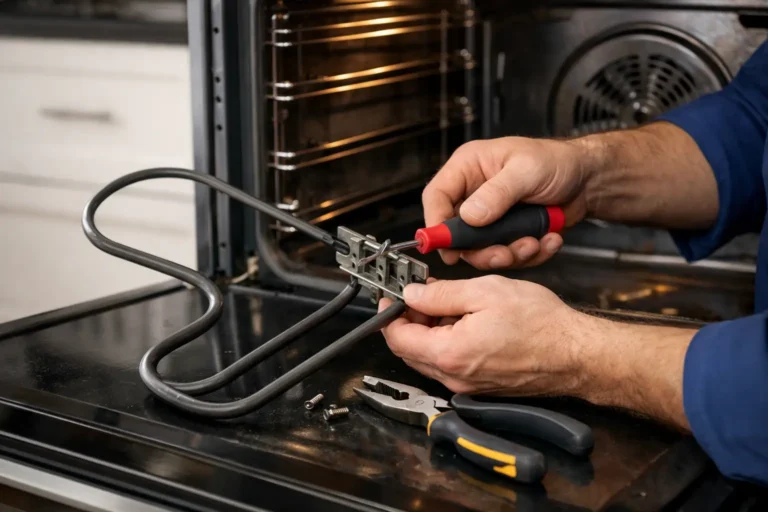
If the machine will not drain, the cause may be a blocked pump filter, a jammed pump, a restriction in the outlet hose or a pump that has electrically failed. If it fills but does not wash properly, the problem might sit with the motor, carbon brushes on older machines, or the control module. If water stays cold, a failed heating element or thermostat is often involved. If the door remains locked, that does not automatically mean the lock itself is faulty – it can also happen when the machine still detects water inside.
Noise is another area where diagnosis matters. A rattling sound can be as simple as an object trapped in the drum or pump housing. A deep rumble on spin may suggest drum bearing wear, which is a more significant job and sometimes changes the repair decision entirely depending on the age and value of the machine.
Modern Bosch models may also display error codes. These can be useful, but they are not a full diagnosis on their own. Error codes point the engineer in the right direction. They do not always identify the failed component with certainty.
Repair or replace – what is actually worth doing?
This is where most people want a straight answer, and the honest answer is that it depends on the age of the appliance, the fault itself and the overall condition of the machine.
If your Bosch washing machine is relatively modern and the fault involves a pump, heater, door interlock, valve or drainage issue, repair is often the sensible option. These are common repairs and, in many cases, good value compared with replacement. If the machine is older and has major bearing damage, a serious electronic fault or multiple worn components, replacement can make more financial sense.
A reliable engineer should not push repair at any cost. They should tell you clearly when the numbers do not stack up. That kind of transparency matters, especially for landlords and busy households who need a quick decision without sales pressure.
One practical rule is this: if the repair cost is reasonable relative to the age, quality and replacement cost of the appliance, repairing a Bosch machine is often worthwhile. Bosch sits in the category where a proper repair can extend useful life significantly, provided the machine has not reached the stage where several major components are nearing the end together.
What a good Bosch washing machine repair engineer should offer
Not all repair services are equal, and this is where many customers lose time and money. A good engineer should do more than turn up with a screwdriver and a vague estimate.
First, they should offer a clear arrival window. Waiting all day for a tradesperson is frustrating enough; it is worse when the machine is out of action and the household is already under pressure. A defined attendance slot makes the process manageable.
Second, they should explain pricing before work starts. Fixed-price quoting, or at the very least a transparent diagnostic process followed by a clear repair quote, removes the usual anxiety around hidden charges. If parts are needed, you should know what is being replaced and why.
Third, they should use the correct parts and stand behind the repair. Genuine or quality-approved parts matter on branded appliances like Bosch because poor-quality components can create repeat failures. A written parts and labour warranty gives you protection and confidence that the repair is meant to last.
Finally, the engineer should be qualified, checked and used to working in occupied homes. For most customers, technical skill is only half the service. Reliability, professionalism and respect for your home matter just as much.
Bosch washing machine repair engineer or general appliance repairer?
There is a difference, and it is not just marketing. A brand-aware engineer will recognise common Bosch fault patterns, know where these machines tend to fail, and understand the differences between older and newer models. That speeds up diagnosis and reduces unnecessary part swapping.
A general repairer may still be capable, but if they do not regularly work on Bosch appliances, you can lose time through trial-and-error diagnosis. For straightforward issues, that might not matter much. For intermittent faults, electronic problems or repeat breakdowns, brand familiarity becomes far more valuable.
That is one reason many households in West London choose specialist local services rather than gambling on the cheapest available call-out. Speed matters, but getting the diagnosis right first time matters more.
How to prepare for the visit
You do not need to dismantle anything or become your own technician before the engineer arrives. A few simple checks can help, though.
Make a note of the model number if it is visible, and any error code shown on the display. Think about when the fault started and whether it happens on every cycle or only on certain programmes. If there is leaking, note where the water appears to come from – under the front, from the drawer area, or from the waste pipe connection. These details can shorten diagnostic time.
It also helps to keep the area around the appliance accessible. Integrated machines can take longer to reach, and a clear working space saves time. If the machine has tripped your electrics, avoid repeatedly turning it back on, as that can worsen some faults.
What same-day repair really means
Same-day service is useful, but it should not be confused with rushed work. The real value is speed with structure – prompt attendance, proper diagnosis, a clear quote and, where possible, repair on the first visit.
That often depends on the fault and parts availability. Many common Bosch issues can be resolved there and then. Others may require a return visit if a specific component needs to be sourced. A trustworthy company will tell you which category your repair falls into rather than overpromising.
For urgent households, that honesty is helpful. It lets you plan around the disruption rather than chasing updates or wondering whether anyone is coming back.
Choosing a repair service with less risk
When you are booking under pressure, it is easy to focus only on price. But the cheapest option can become the most expensive if the diagnosis is poor, the parts are substandard or the fault returns a week later.
A lower-risk choice is a service that offers certified engineers, a defined arrival window, fixed pricing, no-fix-no-fee terms and a written warranty. Those details are not small print. They tell you how the business operates. CrownTech Appliances, for example, has built its local reputation around exactly that kind of straightforward service standard.
If you are dealing with a Bosch washing machine that has suddenly stopped working, the best next step is not to hope it fixes itself after one more reset. A good repair engineer will tell you quickly whether the fault is minor, whether the machine is worth saving, and what it will take to get your laundry routine back on track without unnecessary delay.