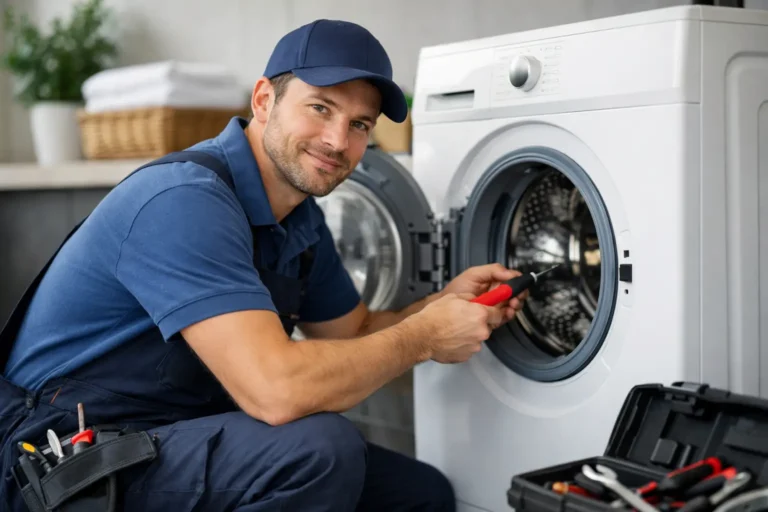
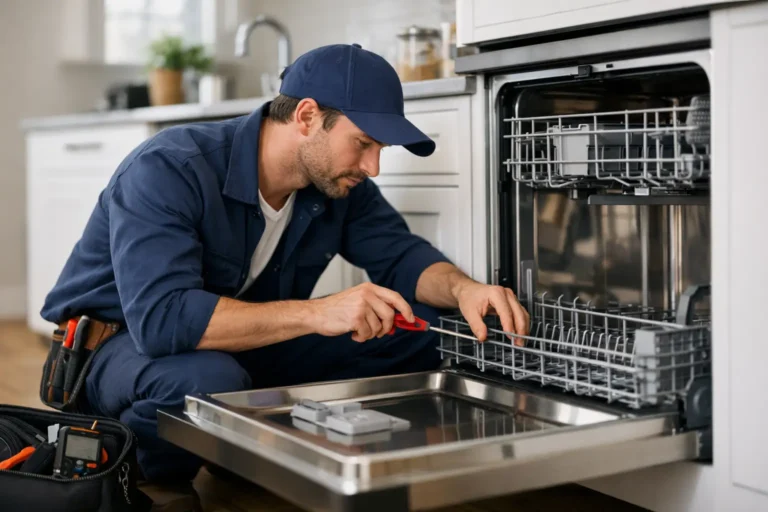
A washing machine that stops mid-cycle or a fridge freezer that is warming up does not leave much room for guesswork. You need certified appliance engineers who can identify the real fault, explain the options plainly and carry out a safe repair without turning a household problem into a longer, more expensive one.
For busy homes, landlords and tenants, qualification is not a marketing extra. It is a practical safeguard. The right engineer knows what to test, when a repair is sensible and when an appliance has reached the point where replacement deserves consideration. Just as importantly, they work with the checks, parts and documentation that give you confidence after they leave.
What “certified” should mean in appliance repair
The word certified is used widely, so it is worth looking beyond the label. A capable domestic appliance engineer should have relevant technical training, product knowledge and the appropriate credentials for the work being undertaken. The exact requirement depends on the appliance and fault.
Cooling appliances are a clear example. Fridge freezers and American-style fridges may contain refrigerant gases that require proper handling. An engineer working on the sealed cooling system should hold F-Gas certification. This is not simply a preference. It helps ensure refrigerants are recovered, handled and charged correctly, protecting both safety and the environment.
Electrical competence matters across every appliance type, from ovens and induction hobs to dishwashers, tumble dryers and coffee machines. Proper diagnosis involves more than replacing the most likely part. An engineer should test components, wiring, sensors and control systems to establish why the fault occurred. Replacing a burnt-out heater without finding the electrical cause, for example, can lead to the same failure returning.
Brand-specific experience also makes a meaningful difference. Bosch, Miele, Samsung, Neff, Siemens and LG appliances can use different error systems, components and diagnostic procedures. A familiar engineer can interpret fault codes in context and avoid unnecessary part changes.
Why certification protects your home and your budget
A household appliance is a mix of electricity, water, heat, electronics and, in some cases, refrigeration gas. A poor repair can create risks that are not visible when the appliance first appears to be working again.
A dishwasher leak may be caused by a split hose, but it can also result from a failed inlet valve, damaged door seal, blocked pressure system or an installation issue. An oven that trips the electrics may have a faulty element, yet moisture, wiring damage or a failing control board could also be involved. The job is to isolate the cause before fitting parts.
This is where a certified engineer’s process matters. They should inspect the appliance, test the relevant circuits or components, discuss the diagnosis and provide a clear price before repair work begins. That approach reduces the risk of paying for a speculative repair that does not solve the problem.
Certification does not mean every appliance is automatically worth repairing. Age, condition, availability of genuine parts and the cost of the repair all matter. A good engineer will say so directly. If a ten-year-old appliance needs a costly main module and has several other signs of wear, replacement may be the more sensible decision. If a reliable five-year-old machine needs a pump or door lock, repair is often excellent value.
The checks to make before you book
When an appliance fails, it is tempting to choose the first available repair service. A few straightforward questions can protect you from missed appointments, vague invoices and repeat faults.
Ask whether the engineer is qualified for the appliance and repair required, particularly for refrigeration work. Check whether the company uses genuine or manufacturer-approved parts where appropriate, and whether the repair includes a written parts and labour warranty. A verbal promise is harder to rely on if the fault returns.
Pricing should be clear before work starts. Some faults cannot be confirmed until the appliance is examined, but that is not a reason for an open-ended bill. You should know the diagnostic or call-out arrangement, the cost of any proposed repair and whether the price includes labour, parts and VAT. Fixed-price quotes remove much of the uncertainty.
It is also reasonable to ask about engineer vetting and arrival arrangements. DBS-checked engineers and a defined arrival window are especially valuable when you are arranging access for a tenant, working from home or coordinating a repair around school collection. A promised 90-minute arrival window is far more useful than waiting all day for a visit that may not happen.
What a professional repair visit looks like
The best repair visits feel organised from the first call. You describe the appliance, brand, model where available, fault symptoms and any error code. This allows the service team to send an engineer with a better idea of the likely issue and, in many cases, suitable common parts.
At the property, the engineer should first make the appliance safe to inspect. They may check the power supply, water connections, drainage, ventilation or installation before running diagnostic tests. These early checks are important because an apparent appliance fault can occasionally be caused by a blocked waste pipe, tripped circuit, poor airflow or water supply issue.
Once the fault is confirmed, the engineer should explain it in plain English. You do not need a lecture on circuit boards, but you do deserve to know what has failed, what repair is proposed and what it will cost. If parts need ordering, you should be told the expected next step rather than left wondering whether the job has been abandoned.
After repair, the appliance should be tested through the relevant function. For a washing machine, that may include filling, heating, draining and spinning. For an oven, it may mean checking heat-up and temperature performance. For a fridge freezer, it can include checking temperatures, fans and cooling operation, recognising that full temperature stabilisation may take time.
When speed matters, diagnosis still comes first
Same-day repair can make a major difference when food is at risk in a fridge freezer, washing is piling up or a landlord needs to restore an essential appliance quickly. But fast service should not mean rushed work.
The right balance is prompt attendance followed by methodical diagnosis. A skilled engineer can often resolve common faults on the first visit because they recognise patterns and carry frequently used parts. However, specialist parts for premium, older or less common models may need to be sourced. An honest service explains that upfront instead of fitting an unsuitable alternative.
A no-fix-no-fee policy can provide additional reassurance, but always understand what it covers. It should mean you are not paying for a repair that has not resolved the reported fault, while recognising that diagnostic visits, external installation defects or a decision not to proceed may be treated differently by different providers. Clear terms are a sign of a company that expects to be held accountable.
Certified appliance engineers and genuine parts
Parts quality is closely linked to repair quality. A cheap, unverified replacement may look identical to the original component but perform poorly, fail early or create compatibility problems. This is particularly relevant for electronic modules, pumps, door locks, heating elements and sensors.
There are cases where a quality compatible part is a sensible option, especially if an original part is discontinued or disproportionately expensive. It depends on the appliance, the part and the warranty available. What matters is that the engineer is transparent about the choice and does not present a non-genuine part as manufacturer original.
CrownTech Appliances supports repairs with genuine parts where appropriate and a 12-month written parts and labour warranty. That written cover gives customers a clear route back if the repaired component develops a problem, rather than relying on the hope that a quick fix will last.
Choose reassurance, not just availability
A repair service should make a breakdown easier to manage, not add another layer of uncertainty. Look for proven technical credentials, specialist capability for your appliance type, clear fixed pricing, proper engineer checks and written warranty cover. Reviews can help too, particularly when they mention punctuality, communication and how issues were handled after the first visit.
If you are in West London and an essential appliance has failed, gather the model number, note any error code and describe exactly what happened before the fault. That small amount of information helps a qualified engineer arrive prepared, diagnose faster and give you a realistic answer on whether your appliance deserves repair.