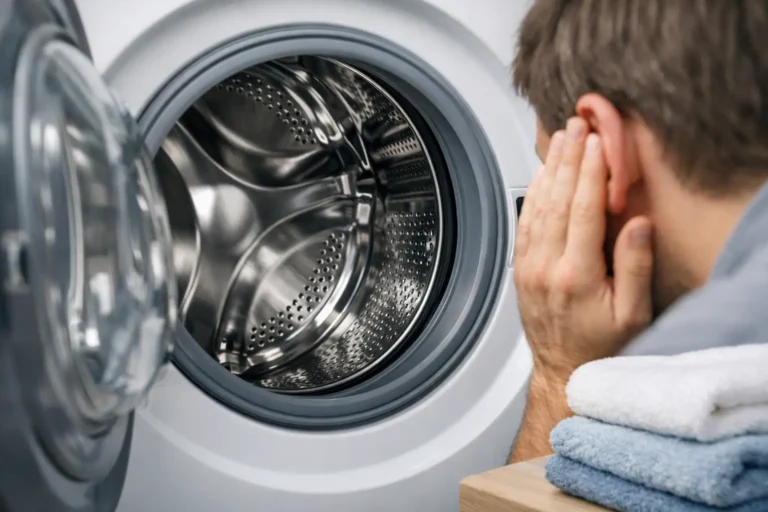
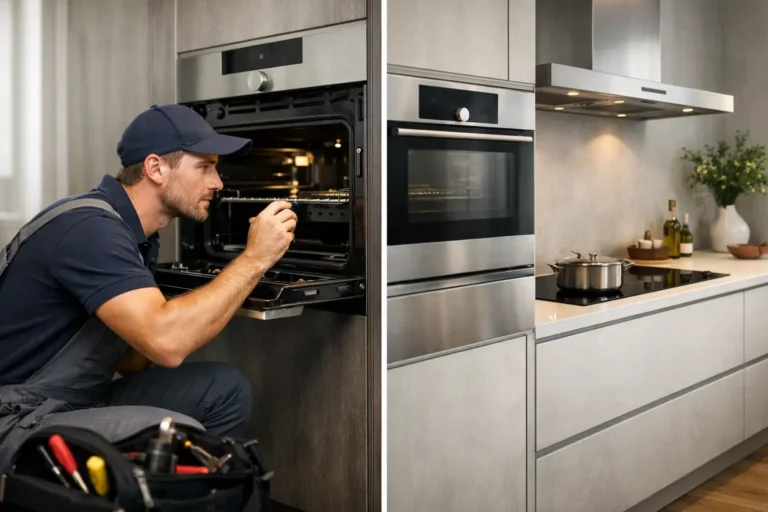
A washing machine that will not drain or a fridge freezer that has stopped cooling creates an immediate problem. But before booking an engineer, most people want a straight answer to one question: what does no fix no fee mean? In simple terms, it means you should not pay the repair charge if the engineer cannot fix the appliance. The detail that matters is how the company defines “fix”, “fee” and any exceptions.
What does no fix no fee mean in appliance repair?
A no-fix-no-fee policy is designed to reduce the financial risk of arranging a repair. An engineer attends your home, diagnoses the fault and attempts a suitable repair. If the appliance cannot be repaired, you do not pay for a repair that has not delivered a working result.
For a household dealing with an urgent breakdown, this is valuable reassurance. You should not be left paying a full repair bill simply because a fault is more serious than first expected, a replacement part is unavailable, or the appliance is beyond economical repair.
However, no-fix-no-fee does not always mean every part of the visit is free. Policies differ between repair companies, so it is sensible to establish the terms before the appointment is booked. A reliable provider will explain the position clearly, rather than relying on a headline promise that leaves room for surprise charges.
What is usually covered by the policy?
In most cases, the policy relates to the cost of completing a repair. If an engineer diagnoses the appliance, obtains approval for the work and is still unable to restore it to proper working order, the repair labour should not become an unexpected bill.
A successful repair normally means the reported fault has been resolved and the appliance has been tested. For example, if a dishwasher was failing to drain, a proper fix should allow it to drain and complete a test cycle. If an oven would not heat, the repair should restore safe, reliable heating rather than provide a temporary workaround.
The policy is especially useful where the cause of a fault is uncertain. A washing machine could be affected by a blocked pump, a damaged drain hose, worn motor brushes or an electronic control issue. Until the appliance is inspected, no responsible engineer should promise an exact diagnosis. No-fix-no-fee protection gives you more confidence to arrange that inspection.
At CrownTech Appliances, the aim is to make the decision straightforward: a certified engineer diagnoses the fault, explains the required work and provides a fixed-price quote before proceeding. There should be no pressure to approve a repair without knowing what it involves.
The difference between a repair fee and a call-out charge
This is the point that causes most confusion. Some companies use “no fix no fee” to mean there is no labour charge if they cannot repair the appliance, but their attendance or diagnostic charge may still apply. Others include diagnosis within the no-fix-no-fee promise. Neither approach is automatically unfair, provided it is stated before the visit.
Ask whether there is a call-out fee, a diagnostic fee or a minimum charge if no repair is carried out. Also ask whether that amount is deducted from the repair cost if you proceed. Clear answers allow you to compare services properly, rather than comparing one advertised repair price with another company’s incomplete figure.
Be wary of vague phrases such as “from £X” without an explanation of parts, labour, attendance and VAT. A fixed-price quote should tell you what you will pay for the agreed repair. If the fault changes after further testing, the engineer should discuss the revised options before additional work is done.
When might you still have something to pay?
A fair no-fix-no-fee policy can have reasonable exclusions. The key is that they are explained in advance and applied consistently. You may be charged, for example, if you decline an approved repair after the fault has been diagnosed and a quote has been provided, depending on the company’s terms.
Costs can also arise where the appliance itself is not faulty. A dishwasher may not run because the water supply is turned off, a washing machine may be affected by a blocked household waste pipe, or an oven may have an electrical supply issue outside the appliance. These are not appliance repairs, and they may require a plumber or electrician instead.
Other common situations include accidental damage, pest damage, appliances that are unsafe to work on, and faults caused by an incorrect installation. If a fridge freezer has lost refrigerant because of a damaged pipe, the repair may not be practical or safe. F-Gas work on cooling appliances must be handled by appropriately certified engineers, and sometimes replacement is the more sensible route.
A policy may also not cover parts that have been ordered specially after you have authorised the repair. If a genuine part cannot be returned to the supplier, it is reasonable for the provider to explain any commitment before placing the order. Nothing should be ordered without your agreement.
What counts as a successful fix?
A successful fix is not simply an engineer leaving after the appliance switches on. The original fault should be addressed and the appliance should be checked for safe operation where possible.
That said, appliances can have more than one issue, particularly as they age. An engineer may repair a faulty heating element in a tumble dryer, then identify that the machine also has a worn door latch. The first repair can still be valid, but the separate issue should be explained clearly. You should be given the choice to proceed with any additional work rather than being presented with an unexpected charge.
There are also cases where a repair works initially but a different component fails later. A no-fix-no-fee promise is not the same as unlimited future repairs. This is where a written parts and labour warranty matters. It shows that the company stands behind the completed repair for a defined period and gives you a clear route back if the same fault returns.
Questions to ask before you book
You do not need to interrogate an engineer, but a few direct questions can prevent uncertainty. Ask what happens if the appliance cannot be repaired, whether an attendance or diagnostic charge applies, and whether the quote includes parts, labour and VAT. Confirm how long the repair warranty lasts and whether it covers both the fitted part and the labour.
It is also worth asking how the company deals with appliances that are beyond economical repair. A trustworthy repair service will not push an expensive repair on a machine that is near the end of its useful life. The right answer depends on the appliance’s age, condition, fault, energy use and the cost of an equivalent replacement.
For example, replacing a pump in a well-maintained washing machine may represent good value. Replacing a major sealed-system component in an older fridge freezer may not. A professional diagnosis helps you make that decision with evidence rather than guesswork.
No fix no fee does not remove the need for clear terms
The phrase is a useful consumer protection, but it should never be used to hide unclear pricing. The best repair experience combines a no-fix-no-fee commitment with a confirmed arrival window, qualified engineers, an agreed fixed quote and a written warranty once the work is complete.
If your appliance has failed, take a photo of any error code, note when the fault began and avoid repeatedly resetting or forcing the machine to run. Then choose a repair company that will explain the likely process before anyone arrives. A clear promise is helpful, but clear terms are what make it worth trusting.