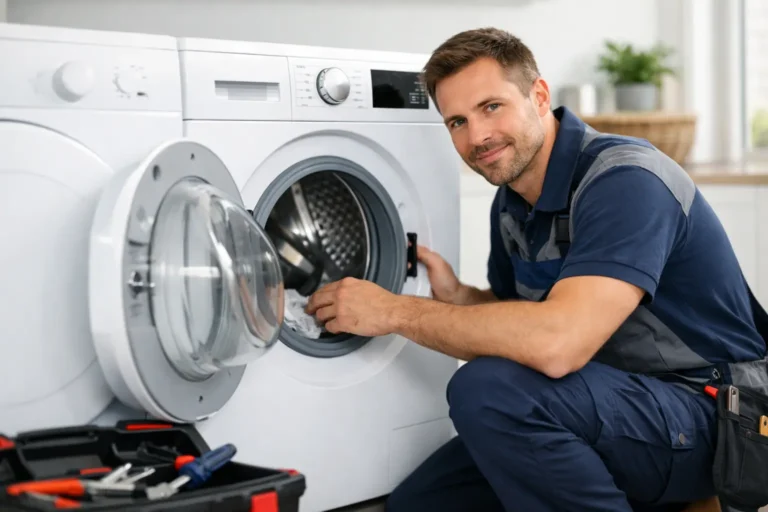
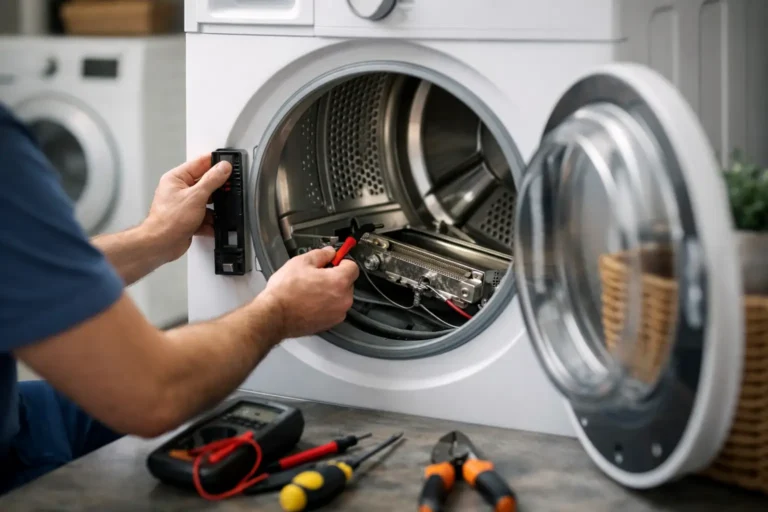
A washing machine rarely breaks at a convenient moment. It stops mid-cycle with a drum full of water, starts leaking across the kitchen floor, or trips the electrics just as you are heading out the door. That is when emergency washing machine repair matters – not as a nice-to-have, but as the quickest way to prevent water damage, electrical risk and a much bigger repair bill.
If the fault is urgent, the first priority is safety. Turn the machine off at the mains if you can do so safely. If there is leaking, place towels around the base and avoid using extension leads or touching wet electrical connections. If the machine is still filling, shut off the water supply valve behind the appliance. These first few minutes often make the difference between a contained fault and a wider problem affecting flooring, cabinets or nearby appliances.
When emergency washing machine repair is the right call
Not every fault needs same-day attention, but some do. A machine that is making more noise than usual may be inconvenient rather than urgent. A machine that is leaking heavily, smoking, smelling of burning, refusing to unlock with water inside, or tripping the fuse board should be treated differently.
The main question is not whether the appliance has failed. It is whether leaving it unattended could cause damage or create a safety issue. Water escaping from the door seal, detergent drawer or underneath the machine can travel quickly beneath vinyl flooring and into adjacent units. Electrical faults can start as an intermittent cut-out and then worsen without warning. In rental properties, delay can also mean complaints, disrupted tenancies and preventable damage claims.
For busy households, urgency is also practical. If the only washing machine in the home is out of action, laundry backs up almost immediately. Families with children, shared households and landlords preparing a property for new tenants do not usually have time to wait a week for a vague appointment window and an uncertain diagnosis.
What usually causes a sudden washing machine breakdown
Most urgent call-outs come down to a small number of common faults. Drainage issues are near the top of the list. A blocked pump filter, damaged drain pump or kinked waste hose can leave dirty water stuck in the drum and trigger error codes. Sometimes the machine appears completely dead when the real issue is that it cannot drain and therefore will not continue the cycle.
Leaks are another frequent cause. These can come from split hoses, worn door seals, loose connections or internal component failure. The difficult part is that the visible puddle is not always the source. Water may travel inside the casing before appearing at the front or side.
Then there are electrical and mechanical failures. A faulty door lock can prevent the cycle from starting. A damaged motor, worn carbon brushes on older models, a failed heating element or control board problem can stop the machine entirely. If the appliance bangs violently on spin, the issue may be suspension-related, but it can also point to bearing wear or drum movement that should not be ignored.
The brand and model matter here. Bosch, Miele, Samsung, Neff, Siemens and LG machines all have their own known fault patterns, diagnostic codes and component layouts. That is one reason a proper diagnosis matters more than guesswork.
What you can check before booking a repair
There are a few sensible checks that can save time, but emergency faults are not the place for trial-and-error repairs. Start with the simple points. Confirm the machine is receiving power. Check whether the socket is working and whether the fuse board has tripped. Look for obvious signs of a kinked inlet or drain hose. If the machine will not drain, inspect the pump filter only if you can do so safely and have towels ready, as trapped water may pour out.
Also check whether the load is unbalanced. A large towel or duvet can throw off the spin cycle and make the machine stop. If the door is locked and there is water inside, do not force it. That usually creates a second repair on top of the first.
Beyond these basics, caution is the better choice. Removing panels, bypassing door locks or repeatedly resetting the machine can make diagnosis harder and may increase the cost if other parts are damaged in the process.
What not to do during an urgent fault
The biggest mistake is continuing to run the machine to see if it clears itself. If there is a leak, burning smell or loud mechanical noise, another cycle can turn a repairable issue into a full appliance replacement. The same applies to repeatedly slamming the door, over-tightening hoses, or trying internet fixes that are too generic for the fault in front of you.
Another common mistake is assuming the cheapest option is the safest. With emergency washing machine repair, reliability matters as much as speed. A missed appointment, no clear pricing or an engineer who arrives without the right parts can waste an entire day. In urgent situations, households usually want the same things: a confirmed arrival window, a clear explanation, a fixed quote and reassurance that the person entering the home is qualified and checked.
What a professional same-day repair visit should look like
A proper service visit should feel organised from the start. That means a defined arrival window rather than an all-day wait, a clear assessment of the fault and an explanation of whether repair is sensible based on the machine’s age, condition and parts availability.
Good engineers do not rush to replace parts without diagnosis. They test the machine, isolate the source of the problem and explain the repair in plain English. If a part is needed, you should know what it is, why it has failed and what the total cost will be before work goes ahead.
This is where transparency matters. Fixed-price quotes, no hidden add-ons and a no-fix-no-fee approach reduce the uncertainty that often puts people off booking. In West London, where people are balancing work, school runs and property access, reliability is often the deciding factor. CrownTech Appliances built its local repair service around that reality, with same-day availability, 90-minute arrival windows, certified engineers and a 12-month written parts and labour warranty.
Repair or replace – the honest answer
It depends on the machine, the fault and the economics. If the appliance is relatively modern and the issue is a pump, door lock, hose, heater or drain fault, repair is often the more sensible route. It is faster, less disruptive and usually far cheaper than replacing a full machine.
If the appliance is much older and has major bearing damage, repeated control board faults or signs of poor overall condition, replacement may be the better option. The right engineer should say so. Trust is not built by pushing every job into a repair. It is built by helping customers avoid bad value.
For landlords and homeowners alike, there is also the question of downtime. A repair that restores the machine the same day is often worth more than the lowest theoretical cost. Waiting days for a replacement delivery, installation and disposal can create more disruption than people first expect.
Emergency washing machine repair in West London
In areas such as Ealing, Chiswick, Hammersmith, Richmond, Harrow and Uxbridge, urgent appliance breakdowns are rarely just technical problems. They affect schedules, access arrangements and household routines. That is why local coverage matters. An engineer who already serves the area can respond faster, carry common parts and diagnose familiar brand faults more efficiently.
For customers, the practical benefits are straightforward. You want someone who arrives when promised, respects the property, explains the fault clearly and completes the work to a standard that lasts. DBS-checked engineers, genuine parts and written warranties are not small details in an emergency – they are part of making the repair low-risk.
How to reduce the chance of another urgent breakdown
No washing machine lasts forever, but a few habits do reduce avoidable failures. Do not overload the drum. Clean the detergent drawer and door seal regularly. Check pockets for coins and small objects. Clean the filter periodically, especially if drainage starts slowing down. If the machine has been louder than normal for weeks, book an inspection before it becomes an emergency.
It is also worth paying attention to minor leaks and intermittent faults. A machine that sometimes fails to spin, occasionally leaves water in the drum or produces a burning smell once is already giving you useful warning. Acting early usually gives you more repair options and lower costs.
When a washing machine fails suddenly, speed matters, but so does judgement. The right response is not panic and it is not guesswork. It is a safe first step, a clear diagnosis and a repair service that treats urgency with the professionalism it deserves.