A Bosch display code can turn a normal morning into a stalled wash, a cold fridge or a dishwasher full of dirty plates. This Bosch appliance fault code guide explains what the most common messages usually mean, the checks you can safely carry out and the point at which a qualified engineer is the sensible option. The code is a diagnostic clue, not always a final diagnosis.
Start with the Bosch appliance fault code guide, then check the model
Bosch fault codes vary between appliance types, model generations and regional versions. A code shown as `E18` on one washing machine may relate to drainage, while the same-looking message on another appliance family can require a different diagnostic route. Before ordering a part or attempting a reset, find the appliance E-Nr and FD number on its rating plate. On washing machines it is commonly inside the door or around the opening; on dishwashers, along the door edge; and on fridge freezers, inside the cabinet.
Also pay attention to what happened immediately before the code appeared. Did the washing machine stop with water in the drum? Did the dishwasher run continuously? Has the fridge become warm, noisy or icy? Those symptoms help separate a simple blockage from a component, wiring or control fault.
If there is a burning smell, repeated tripping at the consumer unit, visible water leakage, sparking, or a hot plug or socket, switch the appliance off at the mains if it is safe to do so. Do not keep resetting it in the hope that it will clear.
Common Bosch washing machine codes
E18 – drainage problem
`E18` is among the most common Bosch washing machine codes. It usually means the appliance has not emptied within the expected time. A blocked pump filter, obstructed drain hose, trapped item in the pump or a plumbing restriction are all possible causes.
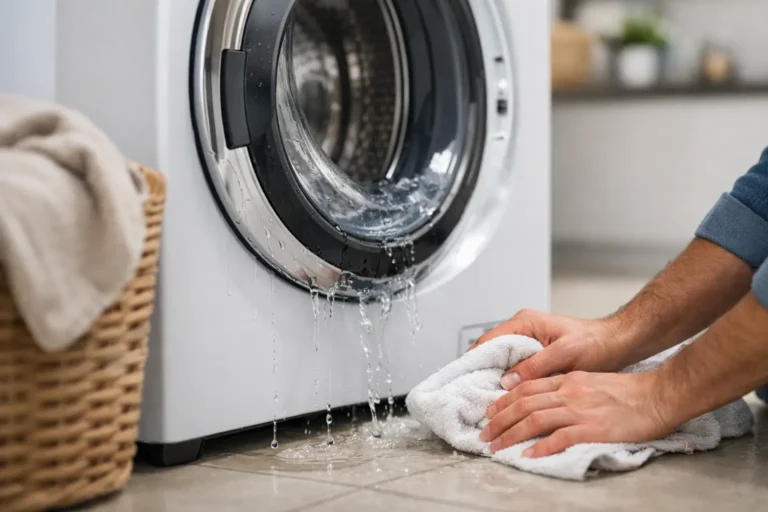
Switch off and unplug the machine before opening the lower filter flap. Place towels and a shallow tray in front of it, as retained water can spill out. Drain the machine through the emergency hose if fitted, then carefully remove lint, coins, hair grips and other debris from the filter. Check that the drain hose is not kinked or crushed behind the machine.
If the filter is clear but the machine still will not drain, do not force the pump impeller or repeatedly run a cycle. The pump may be damaged, the pressure system may be blocked or the fault could be electrical.
E17 or F17 – water inlet issue
`E17`, sometimes displayed as `F17`, generally points to an inlet or filling-time problem. First check that the water tap is fully open and that the inlet hose is not bent. If your home has recently had plumbing work, low pressure or a closed isolation valve can be the answer.
A small inlet filter can become clogged with limescale or sediment. Cleaning it may restore water flow, but take care not to damage the mesh or fittings. If the machine fills slowly despite good pressure at the tap, an inlet valve, AquaStop hose or control issue may need testing.
E23 – water detected or AquaStop activated
`E23` often indicates that water has collected in the appliance base and triggered the safety system. This is not a code to ignore or reset repeatedly. The source may be a loose hose, damaged door seal, detergent over-foaming, leaking pump or internal component fault.
Turn off the water supply and avoid tilting the machine to empty the base. That can move water onto electrical parts and hide the underlying leak. A proper inspection should identify where the water came from before the machine returns to service.
E36 – door lock fault
A Bosch washing machine cannot start or continue a programme unless it confirms the door is locked. `E36` can be caused by a worn latch, damaged catch, loose wiring or an issue with the electronic control.
Check whether clothing is caught in the door and close it firmly without slamming it. If the door remains locked after a failed cycle, leave the appliance isolated for several minutes and follow the model-specific emergency-release instructions only if necessary. Pulling the door open can damage the lock and make a straightforward repair more expensive.
Bosch dishwasher fault codes and practical checks
Dishwasher codes often relate to water flow, drainage or leak protection. Start with the filters and basic plumbing checks, but avoid dismantling panels while the appliance is connected to power or water.
E15 – water in the base tray
`E15` usually means the dishwasher’s anti-flood system has activated after detecting water in the base. You may hear the drain pump running even when the machine appears switched off. This protects your kitchen from a larger leak, but it does not identify its source.
Stop using the dishwasher, turn off its water supply and arrange an inspection. Common causes include a leaking heat exchanger, worn door seal, split hose, pump seal failure or excess foam from using washing-up liquid instead of dishwasher detergent.
E24 – drain fault
`E24` generally indicates that the dishwasher cannot drain correctly. Remove and clean the filter assembly, then inspect the sump area for food debris, labels, broken glass or grease build-up. Check the waste hose is not kinked and that the sink trap connection is clear.
A clean filter does not automatically mean the pump is healthy. A damaged drain pump, blockage deeper in the hose or a pressure sensing problem can produce the same code.
E09 – heating system fault
`E09` is commonly associated with the dishwasher heating circuit, often involving the heat pump on certain Bosch models. You may notice poor washing results, cold dishes at the end of a cycle or a programme that stops early.
There is no useful homeowner reset for a persistent heating fault. The repair requires safe electrical testing and, depending on the model, replacement of the relevant pump or heater assembly. Continuing to use the dishwasher may leave dishes poorly sanitised and can lead to further faults.
Fridge freezer and oven codes need more caution
A Bosch fridge freezer code may indicate a temperature sensor, defrost system, fan, communication or cooling issue. The precise meaning is highly model-dependent, so avoid treating a general online code list as definitive. If food storage temperatures are rising, move vulnerable chilled food to another working fridge where possible and keep the door closed until the fault is assessed.
A fridge that is warm, clicking repeatedly, forming excessive ice or showing an alarm alongside a code may need prompt attention. For sealed-system cooling work, an F-Gas-certified engineer is required. Defrosting a heavily iced appliance can sometimes restore airflow temporarily, but it will not fix a failed defrost heater, sensor or fan.
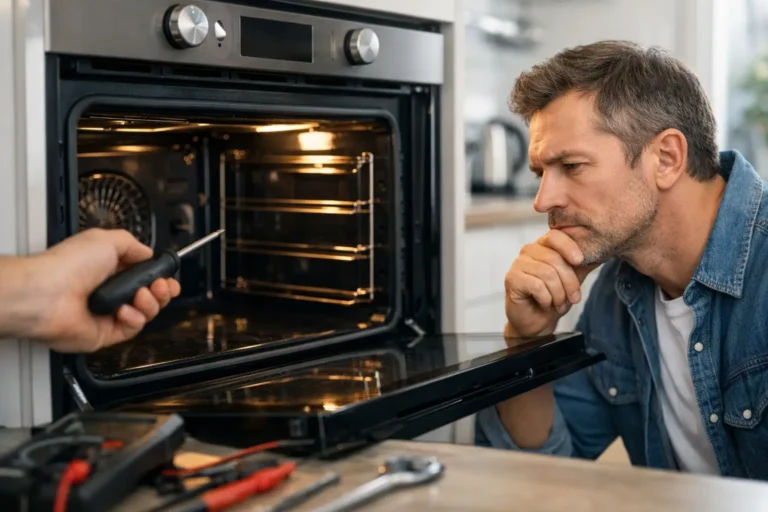
Bosch electric ovens and induction hobs may show codes connected to overheating, temperature sensors, cooling fans, touch controls or power supply faults. Isolate the appliance at the cooker switch if a code recurs, the display behaves erratically or the unit trips the electrics. Built-in appliances should not be pulled out or opened without proper isolation and access, particularly where fixed wiring is involved.
When a reset is reasonable – and when it wastes time
A single code after a power cut, a blocked filter or an interrupted programme may clear after a basic reset. Switch the appliance off, unplug it for a few minutes where the plug is accessible, then restore power and run a short test programme. Check for leaks, unusual noises and whether the code returns.
A reset is not a repair. If the same message comes back, or the appliance stops at the same stage each time, further resets can delay the real fix. This is especially true for leak, heating, door-lock and cooling codes. Never bypass a door catch, sensor or flood safety device to get an appliance working.
What to have ready before booking a Bosch repair
An accurate description speeds up diagnosis and helps avoid unnecessary return visits. Have the full fault code, E-Nr and FD number ready, along with a brief account of when the fault occurs. Mention standing water, leaking, poor cooling, tripped electrics, unusual sounds and any recent plumbing or power interruption.
For busy households, the key decision is rarely whether a code exists. It is whether the appliance can be used safely and whether a repair remains worthwhile. A professional diagnosis can establish that before parts are fitted. CrownTech Appliances provides in-home Bosch repairs across West London with certified engineers, fixed-price quotes, a no-fix-no-fee policy and a 12-month written parts and labour warranty.
A fault code is useful because it narrows the search. Treat it as an early warning, carry out only the safe checks, and act quickly when water, heat, electrical supply or food storage is involved.