That stale, damp smell on freshly washed towels is frustrating because the machine appears to be doing its job. If you are asking, why does washing machine smell, the usual answer is that moisture, detergent residue and bacteria have built up somewhere water does not fully drain or dry. The good news is that many smells can be cleared with careful cleaning. The less welcome news is that a persistent odour can point to a drainage or mechanical fault that needs attention.
Why does a washing machine smell?
A washing machine is warm, wet and regularly exposed to skin oils, fibres and detergent. That is an ideal environment for biofilm – a slimy layer of bacteria and residue that develops inside the drum, detergent drawer, door seal and internal hoses. You may not see it, but you can certainly smell it.
Low-temperature washing is often part of the story. Modern detergents work effectively at 20°C or 30°C, which is useful for protecting fabrics and reducing energy use. However, these cooler cycles do not always break down greasy residue inside the appliance. Regular quick washes can have the same effect, particularly in busy households where the machine rarely runs a longer, hotter programme.
Using more detergent than the dose on the pack will not make clothes cleaner. Excess detergent creates foam and leaves a film behind, especially in soft-water areas. Fabric conditioner can add to the build-up. Over time, that film traps lint and bacteria, producing a sour, musty or sewer-like odour.
Where the smell is usually coming from
The door seal and drum
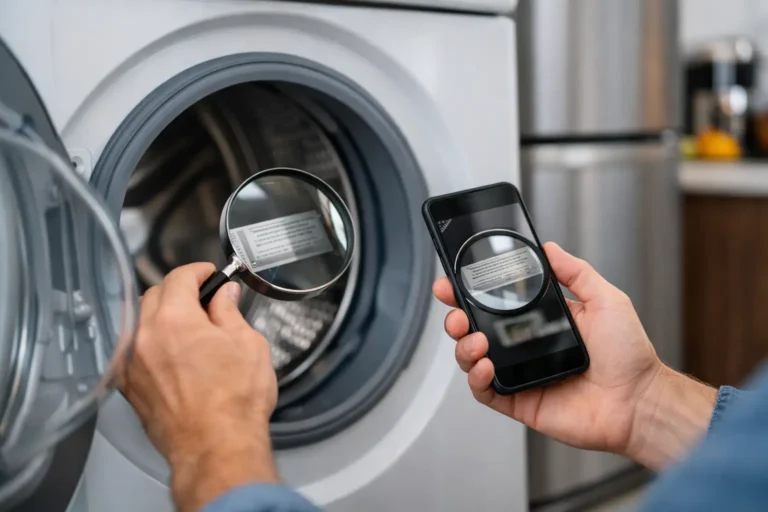
Front-loading machines commonly hold water in the folds of the rubber door seal. Small items, hair, lint and residue can gather there, creating dark spots and a strong mildew smell. Check the entire seal, including underneath the lower fold. Do this with the machine switched off and the drum empty.
The drum itself may smell even when it looks clean. Residue can sit behind the perforations and in the outer drum, where it is impossible to reach by hand. A proper maintenance wash is designed to flush this area through.
The detergent drawer
A drawer coated in gel detergent, conditioner or black mould is a clear warning sign. Water may not be flushing the compartments properly, or the drawer may simply need regular cleaning. Remove it if your model allows, rinse it under warm water and clean the recess as well. A blocked or mouldy drawer housing can quickly transfer odour back into each wash.
The filter and drain pump
Most washing machines have a drain-pump filter behind a small flap near the bottom front of the appliance. This catches coins, hair grips, buttons and lint before they reach the pump. When debris sits there in stagnant water, it can smell unpleasant.
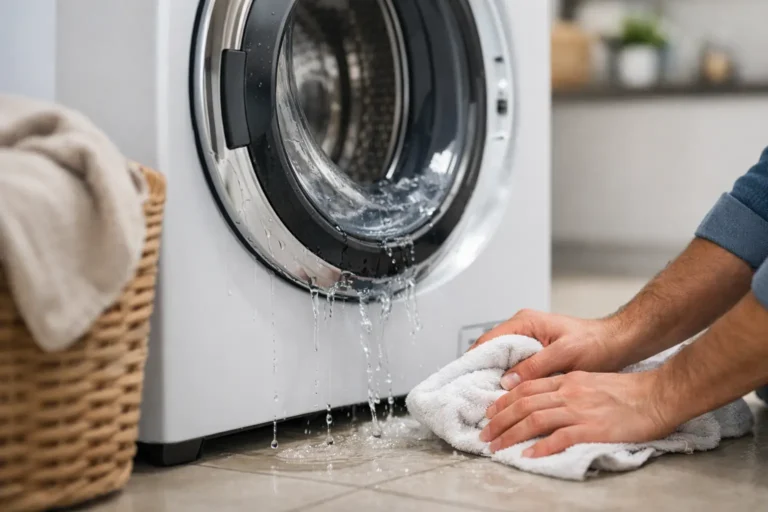
Place towels and a shallow tray beneath the flap before opening it, as water will usually escape. Follow your appliance manual, as filter access and instructions differ by model. If the filter is difficult to loosen, damaged, or the machine will not drain afterwards, stop and arrange a repair rather than forcing it.
The waste pipe and plumbing connection
A sewage-like smell is not always coming from the washing machine itself. If the waste hose is fitted too far into the standpipe, or the plumbing trap is dry or faulty, odours from the drain can travel back towards the appliance. You may notice the smell is strongest after the machine has emptied water.
This is one situation where repeated cleaning will not solve the underlying problem. A blocked drain hose, failing pump or incorrectly installed waste connection needs diagnosis before it becomes a leak or flooding risk.
How to remove a washing machine smell safely
Start with the simple checks. Wipe the door seal with a clean cloth and a mild cleaning solution, paying attention to the folds. Remove and wash the detergent drawer, then clear any visible residue from its housing. Empty and clean the pump filter where your manufacturer permits it.
Next, run the machine empty on its hottest maintenance or cotton cycle. Use a washing-machine cleaner approved for your appliance, following the product instructions and dosage exactly. This is generally safer than experimenting with household chemicals, which can damage seals, hoses or internal finishes when used incorrectly.
After the cycle, leave the door and detergent drawer slightly open so air can circulate. A closed machine stays damp for longer, allowing the smell to return. Wipe down the seal after the final load of the day if water is regularly left sitting in it.
Avoid mixing cleaning products. In particular, never combine bleach with vinegar, descaler or other cleaners. The resulting fumes can be dangerous, and the mixture may harm components without providing a better clean.
Habits that stop the odour returning
A clean machine is easier to keep clean than to rescue after months of build-up. Use the recommended detergent amount for your load size, water hardness and soil level. If clothes feel soapy or the machine produces excessive foam, reduce the dose rather than adding extra rinse products.
Run a hot maintenance wash roughly once a month, or more often if you mainly use low-temperature cycles. It does not need to be complicated: an empty cycle with an appropriate machine cleaner is usually enough. Check the door seal and drawer at the same time.
Do not leave wet laundry in the drum overnight if you can avoid it. Even a clean machine can develop a damp smell when warm, wet clothes are left packed together for hours. Once the load is out, leave the door ajar until the interior is dry.
When a bad smell means there is a fault
Cleaning should make a noticeable difference after one or two maintenance cycles. If it does not, look for other symptoms. These include water left in the drum, slow draining, gurgling noises, leaks, error codes, poor spinning or a smell that is distinctly of drains rather than mildew.
A blocked pump, partially obstructed drain hose or worn pump can leave dirty water inside the machine between cycles. In some cases, the appliance is not heating properly, so washes never reach the temperature needed to control residue. An engineer can test the heater, drainage system and internal pipework rather than replacing parts based on guesswork.
There is a trade-off in attempting a deeper clean yourself. Routine drawer, seal and accessible-filter cleaning is sensible maintenance. Dismantling hoses, pulling the appliance out without help or using aggressive chemicals can turn a manageable issue into a leak, damaged floor or electrical safety concern.
For households in West London dealing with a smell alongside drainage problems or error codes, CrownTech Appliances can diagnose the cause in your home. A clear fault diagnosis matters: it distinguishes a machine that needs a thorough service from one with a repairable pump, heater or drainage issue.
A fresher wash starts with the right diagnosis
If the smell clears after cleaning, keep up the monthly hot wash and allow the machine to dry between loads. If it returns quickly, smells like sewage, or comes with poor draining, treat that as a reason to investigate rather than masking it with more detergent. Acting early is usually the simplest way to protect your washing, your kitchen floor and the appliance itself.