A washing machine that stops mid-cycle or a fridge freezer that is no longer cold creates an immediate problem, not a job to leave on a list for next week. Knowing how to choose an appliance repair company before you book helps you avoid missed appointments, unclear bills and repairs that fail again shortly afterwards.
The right engineer should do more than get the appliance running for the moment. They should identify the underlying fault, explain the repair in plain English and give you enough information to decide whether repairing the machine is worthwhile.
Start with the type of appliance and fault
Not every appliance repair company has the same skills, tools or certifications. A company that is comfortable replacing a washing machine pump may not have the specialist equipment or legal certification needed to work on a leaking fridge freezer or American-style fridge.
Ask whether the company regularly repairs your appliance type and brand. This matters particularly for premium and electronically complex models from Bosch, Miele, Samsung, Neff, Siemens and LG. Modern appliances use fault-code systems, sensors, control boards and brand-specific components. Familiarity can reduce diagnostic time and prevent guesswork.
For cooling appliances, check for F-Gas certification where refrigeration work may be required. For electric ovens, induction hobs and other high-load appliances, confirm that the engineer is qualified to diagnose electrical faults safely. An engineer who says they can repair everything but cannot explain their relevant credentials is not giving you much to rely on.
Check what the price actually covers
The cheapest call-out charge is not always the cheapest repair. Some firms advertise a low initial fee, then add separate charges for diagnosis, labour, parking, travel and parts. By the time the work is finished, the final amount can be far higher than expected.
A reliable repair company should make its pricing approach clear before the visit. Find out whether the diagnosis is included, whether labour is fixed or charged by the hour, and what happens if a repair cannot be completed. If a part is needed, ask whether the engineer will provide a quote before fitting it.
A fixed-price quote gives households and landlords more control over the decision. It is especially helpful when comparing repair with replacement. No-fix-no-fee terms can also offer reassurance, but read what they mean in practice. A fair policy should distinguish between a completed diagnosis, a repair that is not economically sensible and a fault that cannot be resolved.
Look for proof, not vague promises
Claims such as “experienced”, “fast” and “affordable” are easy to put on a website. More useful signs of a professional operation are specific and verifiable: certified engineers, DBS checks, written warranties, genuine parts and a defined arrival window.
A 90-minute arrival window, for example, is far more useful than being told an engineer will come “sometime between 8am and 6pm”. For busy households, tenants waiting at home and property managers coordinating access, this is not a small detail. It shows whether the company has organised scheduling and respects your time.
Reviews are useful when you read beyond the star rating. Look for recent comments that mention punctuality, clear explanations, tidy work, successful repairs and how the business handled a return visit. A handful of glowing but generic reviews is less meaningful than a steady pattern of detailed feedback over time.
How to choose an appliance repair company with a proper warranty
A written warranty is one of the clearest indicators that a company stands behind its work. Ask how long both parts and labour are covered, what the warranty includes and how you would arrange help if the same issue returns.
There is a difference between a manufacturer’s warranty on a replacement part and a repair company’s warranty on the work carried out. A part might be covered, while the labour to revisit and fit another part is not. The stronger option is a written warranty that covers both parts and labour for a clear period.
Twelve months is a reassuring standard for many domestic appliance repairs, although the appropriate warranty can depend on the repair and the part fitted. What matters most is that the terms are clear before you agree to the work. Verbal assurances are difficult to rely on if there is a dispute later.
Ask how the engineer reaches a diagnosis
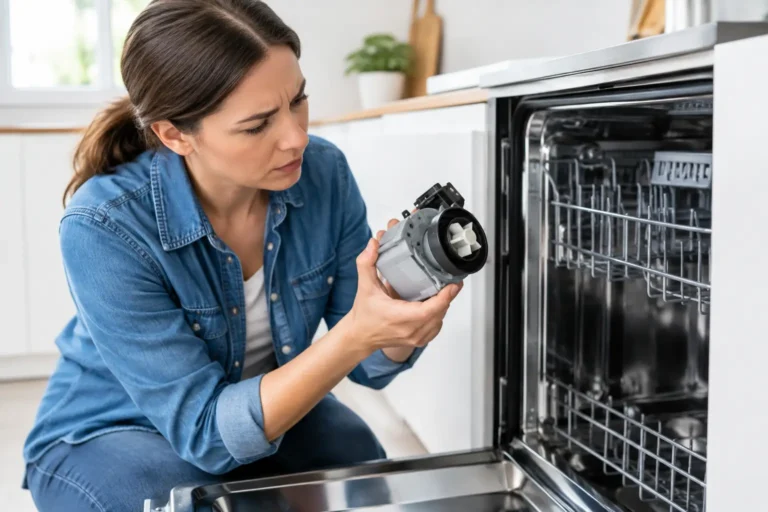
Good repairs begin with good diagnosis. An appliance can display one symptom while the real cause sits elsewhere. A dishwasher that will not drain may have a blocked filter, a faulty pump, a damaged hose or an electrical issue. Replacing the first likely part without checks can waste money.
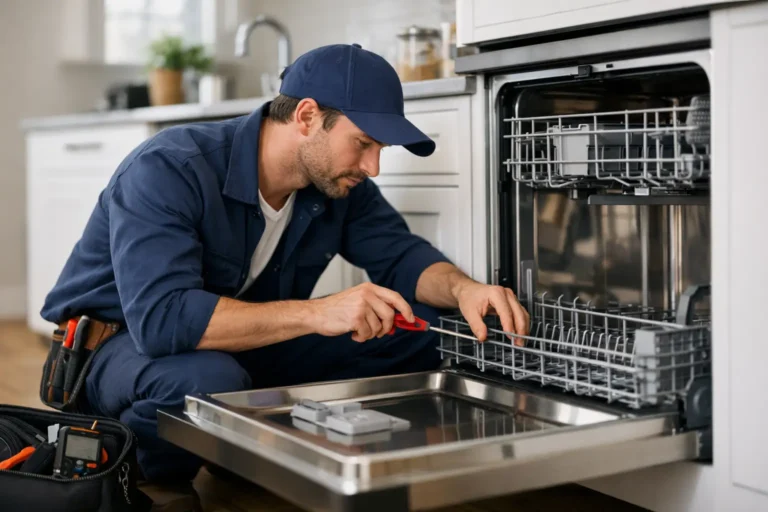
A professional engineer should inspect the appliance, test relevant components and explain the likely cause. They should not pressure you into a repair before outlining the cost and expected result. If the machine is old, has several faults or needs an expensive control board, replacement may be the better financial choice.
This is where local specialist knowledge is valuable. Engineers who work daily on domestic appliances across West London will see recurring faults in particular brands and models, but they should still test rather than assume. Experience improves efficiency; evidence confirms the repair.
Consider response time, but do not sacrifice standards
Same-day repairs can make a real difference when a washing machine is out of action in a family home or a fridge freezer is warming up. Yet speed should not mean a rushed diagnosis, poor-quality replacement part or an engineer arriving without the tools to complete common repairs.
Ask whether same-day attendance means diagnosis only or whether the company aims to complete the repair on the first visit. First-visit repairs depend on the fault and parts availability, so no honest company can promise every job will be finished immediately. They can, however, explain their process, carry common parts and give a realistic next step if a specialist component must be ordered.
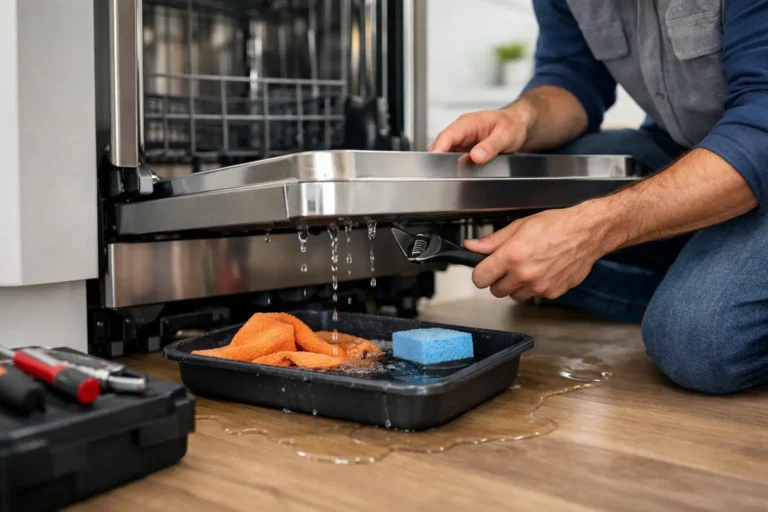
For a fridge freezer that is warm, leaking or making an unusual clicking sound, act quickly. Move perishable food where possible and avoid repeatedly switching the appliance on and off. For burning smells, smoke, sparking, a tripping circuit breaker or signs of water near electrical connections, turn the appliance off if it is safe to do so and seek professional help urgently.
Watch for these warning signs before booking
A repair company does not need to have a polished sales pitch. It does need to be straightforward about what it can do and what it will charge. Be cautious if you encounter several of the following signs:
- No clear business name, service area or contact details.
- A refusal to discuss call-out charges, labour rates or possible extra costs.
- No written warranty or a promise that is only made verbally.
- Pressure to pay in full before the fault has been diagnosed.
- Claims of specialist expertise without certification, reviews or evidence of relevant work.
One issue alone may have an innocent explanation. For example, an engineer may need to inspect an appliance before confirming a final price. The concern is a pattern of evasive answers and pressure.
Make the booking easier and the visit more useful
Before you call, take the model number from the rating plate and make a note of any error code, unusual sound, leak or change in performance. Photos and short videos can help describe intermittent faults. Tell the company whether the appliance is integrated, difficult to access or located in a rented property where permission may be needed for a major repair.
It is also sensible to ask about the age of the appliance. A well-maintained machine can often be worth repairing, particularly if the fault is a pump, heating element, seal, valve or door mechanism. Replacement may make more sense if the appliance is near the end of its expected life and requires a costly major component.
CrownTech Appliances approaches this decision with clear diagnostics, fixed-price quotes where possible and a 12-month written parts and labour warranty, so customers can make a practical choice rather than gamble on an unknown bill.
The best repair company is not simply the one that can attend first. It is the one that arrives when promised, diagnoses carefully, prices honestly and leaves you with a repair you can trust. That is the standard worth looking for when an essential appliance stops working.