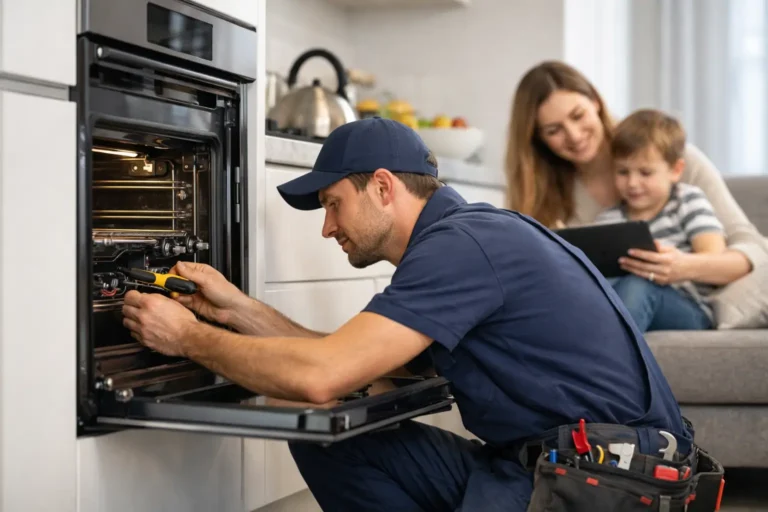
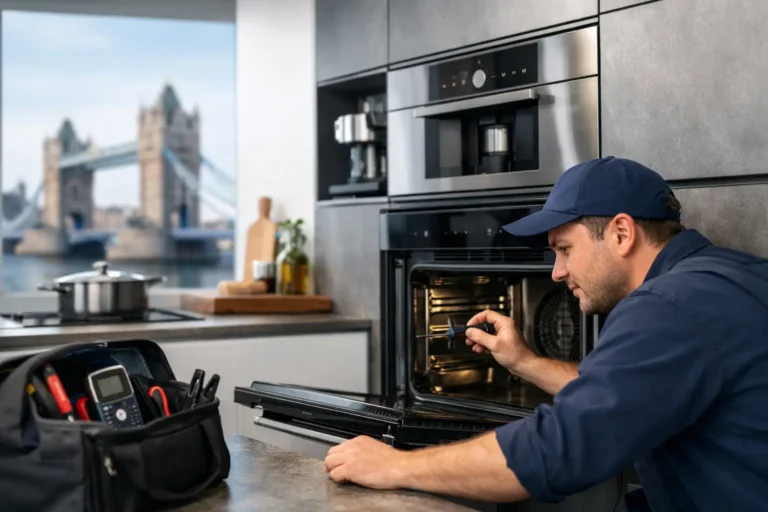
A washing machine that stops mid-cycle or a fridge freezer that will not hold temperature creates an immediate problem, not a job for next month. No fix no fee appliance repair is designed to remove one of the biggest worries when booking an engineer: paying for a result that has not been achieved. It gives households a lower-risk way to investigate a fault while keeping the focus on a successful, lasting repair.
That said, the phrase should never be treated as a vague promise. A reputable repair company explains what the policy means, how the appliance will be assessed and what happens if a repair is not technically possible or no longer good value. Clear terms matter just as much as a quick appointment.
What no fix no fee appliance repair means
In practical terms, no fix no fee means you do not pay for the repair if the engineer cannot restore the appliance to working order. The engineer visits your home, diagnoses the issue and attempts an appropriate repair. If the fault cannot be resolved, there is no charge for an unsuccessful repair under the policy.
It is a useful safeguard when the cause of a fault is unclear. A dishwasher may be leaving water in the base because of a blocked pump, a worn drain hose or an electrical issue. An oven that will not heat could need a replacement element, a thermostat or attention to its control board. Until the appliance is tested properly, a reliable answer is impossible.
The policy also changes the dynamic of the visit. The engineer has every reason to diagnose carefully, explain the viable options and complete a repair that can stand behind normal household use. It is not simply a quick inspection followed by an uncertain bill.
What should be agreed before an engineer starts work
No-fix-no-fee policies can differ between providers, so it is sensible to establish the terms before booking. The key question is not only whether there is a fee when the appliance remains faulty, but what counts as a completed repair.
A professional service should provide a fixed-price quote once the fault has been diagnosed and before chargeable work begins. If parts are needed, you should know whether they are genuine manufacturer parts or approved equivalents, whether they are included in the quote and how long the repair is guaranteed for. A written parts and labour warranty is particularly valuable because some faults only show themselves after several cycles or days of normal use.
There are situations where a repair may not be appropriate. An appliance with extensive corrosion, a damaged sealed refrigeration system, repeated electronic failures or a major safety defect may be technically repairable but poor value compared with replacement. A good engineer should say so plainly rather than fitting parts to an appliance that is unlikely to be dependable.
Equally, an engineer may be unable to proceed if a part has been discontinued, the appliance has been altered, or safe access is not possible. These are not signs of poor service. They are reasons to give an honest recommendation and avoid spending money on a temporary fix.
Diagnosis is not guesswork
A proper diagnosis involves more than listening to the appliance make a noise. The engineer checks the fault code where available, tests relevant components and considers symptoms alongside the appliance’s age and service history. On a washing machine, that may mean checking the pump, heater, motor, door lock and wiring. On a fridge freezer, it can involve assessing airflow, sensors, fans, defrost components and temperature performance.
This approach is especially important for premium appliances from Bosch, Miele, Neff, Siemens, Samsung and LG. These machines often have specific diagnostic procedures and component layouts. Replacing a part without establishing the underlying cause can turn a manageable fault into two appointments and unnecessary cost.
When repair is usually the better decision
For many common faults, repair is quicker and more economical than replacing the appliance. A failed heating element, worn door seal, faulty pump, broken belt, damaged latch or blocked drain system can often be resolved in a single visit when the correct part is available.
Repair is particularly worthwhile when the appliance is otherwise in good condition, fits your kitchen cabinetry, has a known and isolated fault, or is a higher-quality model that has years of useful life remaining. Replacing an integrated dishwasher or built-in oven can introduce fitting costs and disruption that are easy to overlook when comparing prices.
Age still matters. As a broad guide, a relatively new appliance with its first major fault is often a strong repair candidate. An older machine with multiple failures, water damage or costly electronic faults may not be. The right choice depends on the quoted repair cost, likely reliability after repair and the price of a suitable replacement – not age alone.
Situations where a no-fix-no-fee visit is most useful
This policy is most valuable when the fault is intermittent or difficult to identify from symptoms alone. A tumble dryer might run but produce no heat. An induction hob may display an error code only occasionally. A coffee machine may leak from inside the casing, while an American-style fridge may make excessive noise but continue cooling.
These faults need on-site testing by someone who understands the appliance, rather than a diagnosis based solely on a phone description. The same applies to unexplained electrical tripping, burning smells, leaks or poor cooling. If there is smoke, sparking, a burning odour or a serious water leak, switch the appliance off if it is safe to do so and avoid using it until it has been checked.
For refrigeration repairs, specialist competence matters. Work involving cooling systems must be handled by an appropriately qualified engineer. F-Gas certification is a practical trust signal for fridge freezer and American-style fridge work, especially where the fault could involve the sealed system rather than a straightforward fan or sensor issue.
Why a written warranty matters after the repair
A no-fix-no-fee promise protects you if a repair cannot be completed. A warranty protects you once it has been completed. They work together, but they are not the same thing.
A 12-month written parts and labour warranty gives you confidence that the repair is intended to last, not merely get the appliance through another week. It also provides a clear route back to the repairer if the same repaired fault returns within the warranty period. Keep the invoice and warranty details somewhere accessible, particularly in rented properties or managed homes where more than one person may need the information.
CrownTech Appliances combines this approach with certified, DBS-checked engineers, fixed-price quotes and defined 90-minute arrival windows. For busy households, that level of organisation matters: it means less time waiting at home and fewer unanswered questions about who is carrying out the work.
How to make the repair visit more effective
You can help an engineer reach the right answer faster by noting the appliance make and model, any error code, when the fault began and whether it occurs on every programme. If a dishwasher is leaking, identify where you first saw the water. If a washing machine is noisy, explain whether it happens during filling, washing, draining or spinning.
Please do not dismantle the appliance or keep resetting it in the hope that the fault disappears. This can make diagnosis harder and, in some cases, create a safety risk. Clearing a visible filter or checking that a plug has not come loose is reasonable, but electrical, gas and refrigeration faults should be left to a qualified engineer.
Access is also worth considering. Clear enough space for the appliance to be safely pulled forward where possible, and let the repair company know about tight stairwells, restricted parking or an integrated installation. Small details can prevent delays during a same-day visit.
Choosing a repair service with confidence
Price matters, but the cheapest booking is not always the lowest-cost outcome. A missed appointment, an incorrect part or a repair with no written guarantee can leave you arranging the same job twice. Look for a company that gives a clear arrival window, confirms pricing before work, uses suitable parts and can explain the repair in plain English.
Verified reviews and relevant qualifications are useful indicators, particularly for electrical and cooling appliances. You should also expect straightforward answers about warranty cover and the no-fix-no-fee terms. If those details are difficult to obtain before a visit, that uncertainty is worth taking seriously.
When an essential appliance fails, the best next step is rarely to guess at the cause or rush into buying a replacement. Arrange a professional diagnosis, ask for the repair options in writing and choose the solution that gives your household a reliable appliance again without an avoidable financial gamble.