A cold oven at 6pm is rarely just an inconvenience. It can mean an abandoned family meal, wasted food, a tenant waiting for a landlord’s response, or a household trying to manage without its main cooking appliance. Same day oven repair London gives you a practical route back to normal – provided the fault can be diagnosed, the appliance is safe to work on, and the required part is available.
The right repair service does more than arrive quickly. It should give you a reliable arrival window, explain the fault in plain English, confirm costs before work begins, and leave you with written protection once the oven is working again.
When an oven fault needs same-day attention
Not every oven problem is an emergency, but some faults should not be left until the weekend. If your oven is tripping the electrics, producing a burning smell, sparking, overheating or showing signs of damage around the wiring, switch it off at the mains if it is safe to do so. Do not continue using it to “get one more meal out of it”.
An oven that will not heat, heats only from one element, has a faulty fan, will not turn on, or displays an error code is usually a strong candidate for a prompt visit. The same applies when the door will not close correctly, the temperature is clearly inaccurate, or the controls have become unresponsive. These issues may not all be dangerous, but they make cooking unreliable and can worsen if the appliance keeps being used.
For landlords and property managers, a failed oven can quickly become a tenant issue that needs clear communication and a documented solution. A professional diagnosis, fixed-price quote and written repair warranty make the decision easier to evidence and manage.
What same day oven repair in London should include
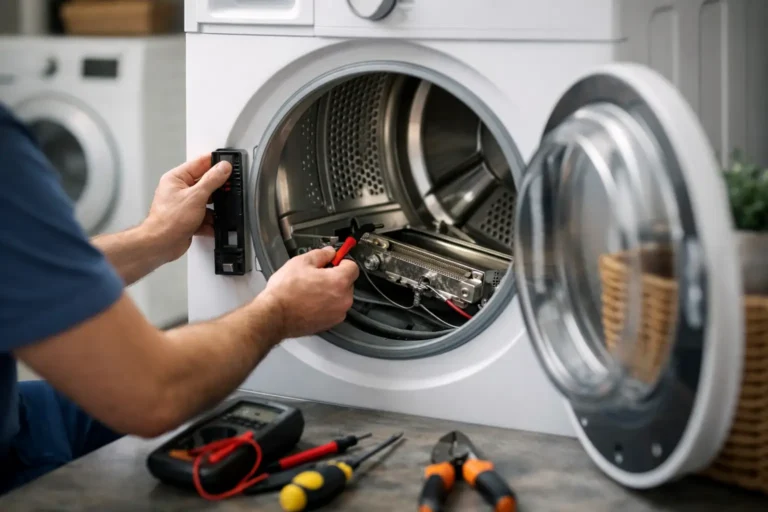
Speed matters, but it should not replace proper fault-finding. A capable engineer will first check the appliance safely, identify whether the problem sits with the heating element, thermostat, fan motor, selector switch, control board, door lock or electrical connection, then explain the recommended repair.
A genuine same-day service should also be honest about what can be completed during the first visit. Many common electric oven faults can be repaired immediately because engineers carry frequently needed components. A less common control module, a model-specific fan motor or a part for an older premium appliance may need to be ordered. In that case, the useful outcome is still a confirmed diagnosis, transparent pricing and a clear plan for the return visit – not vague promises.
At CrownTech Appliances, customers are given a guaranteed 90-minute arrival window rather than being asked to wait at home all day. Certified, DBS-checked engineers assess the fault in your home and provide a fixed-price quote before proceeding. If a repair cannot be achieved, the no-fix-no-fee policy removes the uncertainty that often comes with urgent call-outs.
Common faults that can often be repaired quickly
A failed heating element is one of the most frequent reasons an electric oven stops reaching temperature. You may find that the grill still works but the main oven remains cold, or that the fan runs without producing heat. Replacing the failed element can often restore normal operation without replacing the entire appliance.
Fan oven problems are also common. A noisy fan, uneven cooking or an oven that takes far too long to heat may point to the fan motor, fan element or thermostat. It depends on the model and symptoms, which is why guessing from a single sign can lead to unnecessary parts being bought.
Other quick-to-identify faults include damaged door hinges, a worn door seal, a broken control knob and certain ignition or heating issues on compatible appliances. Electronic control faults need more care. An error code may indicate a simple sensor problem, but it can also point to a board fault that requires a specific replacement part.
What to do before the engineer arrives
A few sensible checks can help, but avoid dismantling the appliance or attempting electrical repairs yourself. If the oven has tripped the consumer unit, do not repeatedly reset it and carry on using the oven. Leave it switched off and tell the engineer what happened.
Make a note of the make and model, any error code, and the exact symptoms. For example, say whether the oven heats at all, whether the fan runs, whether the grill works, and whether the fault began after a power cut or a particular cooking cycle. If possible, clear access to the appliance and avoid running the self-cleaning function before the visit.
It is also helpful to check the simple things: the clock may need resetting after a power interruption, and some ovens will not operate if the timer is left in automatic mode. These checks are worthwhile, but do not override a burning smell, electrical tripping or visible damage. Those signs need professional assessment.
Repair or replacement: making the right call
The cheapest immediate option is not always the best value. A straightforward element, thermostat or fan repair is normally far more economical and less disruptive than replacing a quality oven. Repair also avoids the delivery delays, installation arrangements and disposal issues that come with a new appliance.
Replacement becomes more sensible when an oven is approaching the end of its expected life, has repeated unrelated faults, or needs an expensive electronic part that is no longer readily available. The appliance’s condition matters too. If the cavity, door, hinges and controls are all heavily worn, repairing one component may only postpone the next problem.
A transparent engineer should not pressure you either way. Ask for the likely cost, the part availability, the condition of the appliance and whether the repair carries a written guarantee. That gives you enough information to make a measured decision, even when dinner plans are already off track.
Why brand knowledge matters for oven repairs
Modern ovens vary widely in how they report and protect against faults. Bosch, Neff and Siemens models may use similar engineering principles, while Miele, Samsung and LG appliances can have their own control systems, diagnostic codes and component layouts. A repairer who works across major brands can identify the likely cause more efficiently and source the correct genuine part where needed.
This is especially relevant for built-in ovens. Removing and refitting an integrated appliance requires care to avoid damaging cabinetry, the door, electrical connections or ventilation clearances. The goal is not simply to make the display light up again. It is to restore safe, consistent cooking performance and ensure the appliance is correctly reinstalled.
Questions worth asking when booking
Before confirming a visit, establish whether the company can offer a defined arrival window, whether diagnosis and labour are explained clearly, and what warranty applies to the completed repair. You should also ask what happens if the engineer cannot fix the oven on the day, particularly where a part has to be ordered.
Be cautious of an unusually low call-out price that does not explain labour, parts, parking or follow-up charges. Urgent repairs should be clear, not confusing. A fixed-price quote before work starts gives you control over the decision and prevents surprises once the appliance has been opened.
For households across West London, the practical priority is simple: get a qualified engineer to diagnose the oven quickly, make the repair where possible, and give you a dependable answer where it is not. When an oven fails, clear information and safe work are every bit as valuable as a fast appointment.
If your oven is showing a safety warning sign or has stopped cooking properly, switch it off where appropriate, keep the model details to hand and arrange an assessment before a small fault turns into a longer interruption.