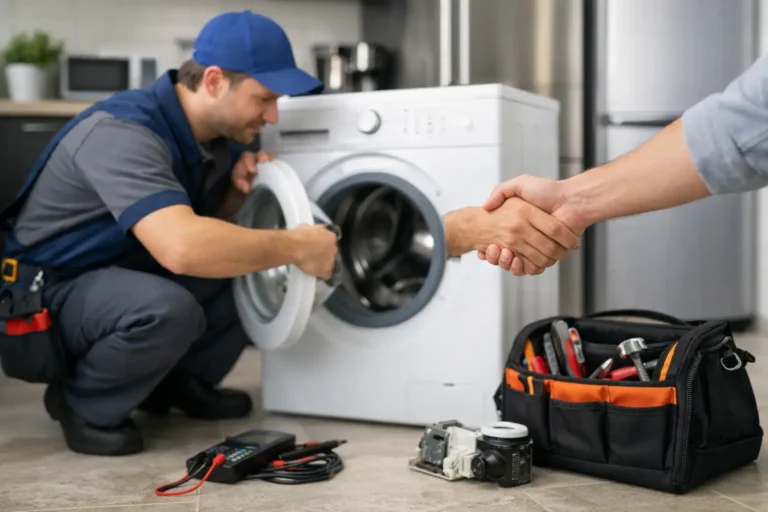
A washing machine that stops mid-cycle, a fridge freezer running warm or an oven that will not heat properly can disrupt the whole household quickly. A dependable West London appliance engineer does more than replace a part: they identify the real cause, explain the options clearly and restore an essential appliance without unnecessary delay.
For busy households, tenants and landlords, the issue is rarely just the appliance itself. It is the uncertainty around when an engineer will arrive, whether the quote will change, and whether the repair will last. That is why a professional repair service should be built around clear communication, qualified diagnosis and a written guarantee.
What a West London Appliance Engineer Should Do
A proper in-home appliance repair visit starts with diagnosis, not guesswork. Modern domestic appliances use sensors, control boards, pumps, valves, thermostats and safety systems that can produce similar symptoms for very different faults. A dishwasher that is not draining, for example, may have a blocked filter, damaged drain pump, wiring issue or electronic fault. Replacing parts before testing the appliance properly can turn a straightforward repair into an avoidable expense.
An experienced engineer should assess the fault, check the relevant components and tell you what has failed before work begins. You should receive a fixed-price quote that makes the cost of repair clear, including parts and labour where applicable. If repair is not viable, the engineer should say so directly rather than encourage spending money on an appliance nearing the end of its working life.
The visit should also be organised around your day. A guaranteed 90-minute arrival window is far more useful than being asked to wait at home from morning until evening. For urgent breakdowns, same-day availability can make the difference between losing a freezer full of food and getting the cooling system checked before the problem worsens.
Common Faults That Need Prompt Attention
Some appliance problems can wait for a convenient appointment. Others need action sooner, either to prevent further damage or to keep your home safe.
A fridge freezer that is no longer cold enough is one example. Food safety becomes a concern when temperatures rise, and a compressor or cooling fault may worsen if the appliance continues running under strain. American-style fridge freezers and other sealed cooling systems should be handled by an F-Gas certified engineer when the work involves refrigerant circuits.
Electrical smells, sparks, tripping electrics or visible scorching require immediate caution. Switch the appliance off at the mains if it is safe to do so, do not attempt to dismantle it, and arrange professional assessment. The same applies to an electric oven or induction hob that repeatedly trips the circuit. The fault may be a failed element, damaged wiring, moisture ingress or an issue within the appliance’s electronic controls.
With washing machines and dishwashers, leaks should not be ignored. A small drip from a door seal or hose can become damaged flooring, swollen cabinets or a dispute with a landlord if water reaches neighbouring property. If the appliance is leaking heavily, turn off the water supply where possible and avoid running another cycle until it has been inspected.
Tumble dryers need particular care when drying performance drops. A full lint filter is a simple first check, but persistent poor drying, burning smells or unusual noises call for diagnosis. Airflow restrictions, failed heaters, motors and worn bearings all need different repairs.
Repair or Replace: Making the Sensible Decision
There is no single rule that says every appliance should be repaired. The right choice depends on its age, condition, original quality, fault type and the price of the required part.
A relatively recent Bosch, Miele, Neff, Siemens, Samsung or LG appliance is often worth repairing when the fault is confined to a replaceable component. Pumps, heating elements, door locks, valves, seals and some motors can frequently be replaced at a sensible cost, particularly where the rest of the appliance is in good condition.
Replacement may be more sensible if an older appliance has multiple faults, a major sealed-system cooling issue, or a costly control board failure combined with signs of wear elsewhere. It also depends on practical factors. A built-in dishwasher or integrated fridge can be expensive and disruptive to replace because the new unit must fit the existing kitchen housing and door furniture.
A transparent engineer will give you the information needed to decide. That includes the nature of the fault, the price of the repair, availability of genuine parts and whether the appliance is likely to offer reliable service afterwards. A no-fix-no-fee policy is valuable here because it removes the pressure to pay for a repair that cannot be completed.
Why Brand Knowledge Matters
Appliances may look similar on the outside, but their diagnostic systems and common failure points vary by manufacturer. A Siemens dishwasher displaying an error code is not assessed in exactly the same way as an LG model. Miele appliances, Samsung fridge freezers and Neff ovens all have their own designs, component layouts and testing procedures.
Brand familiarity helps an engineer work efficiently, but it should not replace proper testing. Error codes are useful clues, not automatic proof that a particular part has failed. A code linked to heating, for instance, can be caused by the heater, temperature sensor, wiring, control module or a condition that prevents the appliance from completing its normal checks.
Using genuine or high-quality approved parts is equally important. A cheaper pattern part can sometimes be appropriate, but it is not always the best value if fit, durability or compatibility is uncertain. Ask what part is being fitted and what warranty applies to the completed repair.
Questions to Ask Before You Book
You do not need technical knowledge to choose a repair service, but a few direct questions can reveal whether a company is properly set up to help. Confirm whether the engineer is qualified for your appliance type, especially cooling appliances. Ask whether the price is fixed before work proceeds, whether there are hidden call-out charges, and whether parts and labour are covered by a written warranty.
It is also worth checking how arrival times are managed. Reliable firms give a realistic time window and keep customers informed if traffic or an earlier job causes a delay. For landlords and managing agents, clear paperwork matters too: a fault description, work completed and warranty details make it easier to maintain property records.
CrownTech Appliances supports repairs with DBS-checked engineers, fixed-price quotes and a 12-month written parts and labour warranty. These details are not extras. They are the practical safeguards that make a repair booking less risky when your household is already dealing with disruption.
Prepare for the Engineer’s Visit
A little preparation can speed up diagnosis. If you can do so safely, note any error code, unusual sound or point in the cycle where the appliance stops. Keep the appliance model number handy, as this is usually found on a label around the door opening, side panel or rear of the unit. For fridge freezers, note whether the freezer, fridge compartment or both are affected.
Clear reasonable access to the appliance and remove laundry, dishes or food where practical. Do not pull out a heavy built-in appliance yourself or remove covers to investigate electrical parts. That can cause injury, damage flooring or make the original fault harder to trace.
If the appliance has been leaking, place towels around the affected area and tell the engineer whether the leak happens during filling, washing, draining or all the time. Small details often reduce diagnostic time and help get the correct repair completed on the first visit.
A broken appliance does not need to turn into a week of inconvenience or an expensive replacement decision made under pressure. Choose an engineer who arrives when promised, explains the fault in plain English and stands behind the work. That gives you a practical route back to a functioning home, with confidence in the repair rather than hope.