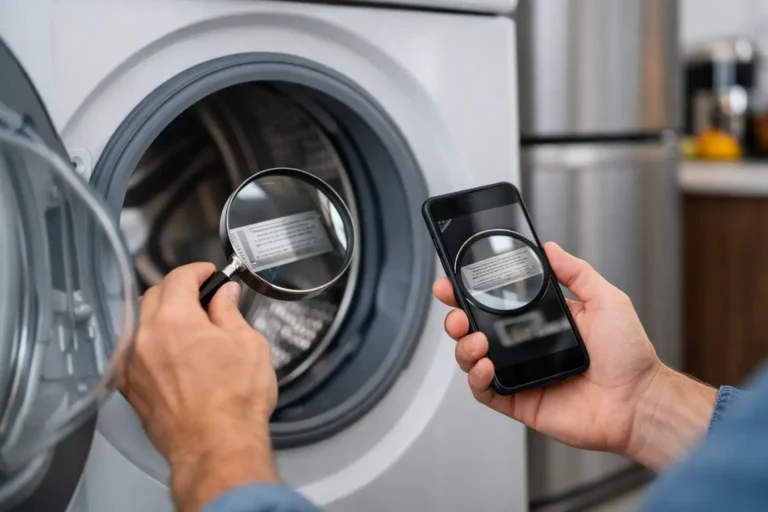
A washing machine that stops mid-cycle or a fridge freezer that no longer cools is disruptive enough. The claim process should not add to the problem. This appliance warranty claim guide explains how to establish what cover you have, present a clear claim and avoid paying for work that could affect your entitlement.
The first rule is simple: do not assume every fault is covered, but do not accept a rejection without checking the terms either. Manufacturer warranties, retailer obligations, extended warranties and home appliance plans all work differently. Knowing which one applies determines who should deal with the problem and what evidence they are entitled to request.
Start by identifying the type of cover
A manufacturer’s warranty is the voluntary guarantee supplied with a new appliance, commonly lasting one or two years. It usually covers defects caused by faulty materials or manufacturing, but it may exclude wear and tear, accidental damage, blocked filters, poor installation, limescale and faults caused by an unauthorised repair.
Your legal rights are separate. If you bought the appliance from a retailer, your contract is with that retailer, not the manufacturer. Under the Consumer Rights Act 2015, goods must be of satisfactory quality, fit for purpose and as described. For the first 30 days, a faulty product may give you a short-term right to reject it. During the first six months, a fault is generally presumed to have been present at delivery unless the retailer can show otherwise. After that point, evidence becomes more significant and any remedy can take account of the appliance’s use.
An extended warranty or appliance care plan may cover breakdown after the manufacturer’s warranty ends. Check whether it includes call-out charges, labour, replacement parts and consequential damage. A policy that sounds comprehensive may still have an excess, a claim limit or exclusions for appliances over a certain age.
Check the terms before arranging repair
Before booking anyone, find the policy or warranty booklet and look for three details: the end date, the named appliance and the claims procedure. Many providers require you to contact them first and use their approved engineer network. Arranging an independent repair without permission can give them grounds to decline reimbursement, even where the original fault might have been covered.
There are sensible exceptions. If a fridge freezer is leaking, an oven has an electrical fault or an appliance is creating an immediate safety risk, switch it off where safe to do so and seek urgent advice. Do not keep using a sparking appliance, and do not attempt to dismantle it yourself. Take photographs before anything is moved or cleaned up if you can do so safely.
Be equally careful with DIY fixes. Cleaning a dishwasher filter or checking that a washing machine door is closed correctly is reasonable routine care. Replacing electrical components, bypassing a safety feature or forcing a seized part is not. It can make diagnosis harder and may turn a straightforward warranty claim into a dispute about damage.
Gather evidence that makes the claim easier
A concise, well-documented claim is easier for a retailer, manufacturer or insurer to assess. You do not need pages of technical language. You need a clear timeline and proof that identifies the appliance and fault.
Keep these items together:
- Proof of purchase, order confirmation or finance agreement showing the date and retailer.
- The appliance model and serial number, usually found on the rating plate inside a door, behind a flap or at the rear.
- Photos or short videos showing the error code, leak, damage or behaviour, where safe to capture.
- A brief record of when the fault started, what happens during use and any troubleshooting already completed.
For example, “Bosch dishwasher displays E15 after every cycle and water is visible in the base area” is more useful than “dishwasher broken”. Similarly, a fridge freezer claim should state whether the lights work, whether the compressor runs and whether food has thawed. The clearer your description, the less likely your case is to be delayed by repeated questions.
When an engineer’s report is worth obtaining
If a provider disputes the cause of the fault, a written diagnostic report can be valuable. This is particularly true for appliances outside the first six months of ownership, higher-value machines and claims where the retailer suggests misuse or normal wear.
A useful report identifies the appliance, records the fault found, explains the likely cause and states whether it is consistent with an inherent component failure, age-related wear or external damage. It should not promise that a warranty provider will accept the claim – that remains their decision – but it can provide independent technical evidence.
CrownTech Appliances can diagnose faults in the home and provide clear, practical findings, with fixed-price quotes explained before repair work proceeds. If your warranty administrator requires authorisation first, obtain that approval before commissioning a repair.
Make the claim in writing where possible
Call centres are often unavoidable, especially for insurance-backed plans, but follow up important conversations in writing. State the appliance details, purchase date, fault, date it appeared and the remedy you are seeking. Attach your evidence and ask for a claim reference number.
Keep the wording factual. Avoid guessing that a particular part has failed unless an engineer has confirmed it. Instead, explain the symptoms and impact: the machine will not drain, the oven trips the electrics, or the fridge compartment is not maintaining temperature.
If the claim is with a retailer under consumer law, ask them to propose a remedy. Depending on the circumstances, this may be a repair, replacement or partial refund. A retailer is usually entitled to choose a proportionate remedy, so insisting on a brand-new replacement for an appliance that can be repaired may not be realistic. Equally, a repair that takes an unreasonable time or causes significant inconvenience may not be acceptable.
Common reasons appliance warranty claims are refused
A refusal is not always wrong, but it should be specific. The most frequent issue is that the problem falls outside the cover: a blocked pump, worn door seal, cracked shelf, limescale damage or accidental impact may be excluded. Incorrect installation is another common reason, particularly where an appliance has not been levelled, plumbed or ventilated properly.
Claims can also fail because the warranty has expired, the appliance was used commercially, the serial number has been removed, or a non-approved repair has altered the machine. For American-style fridge freezers and other cooling appliances, poor ventilation around the cabinet and damage to pipework can complicate a claim.
Do not accept a vague “not covered” response. Ask which clause has been applied and request the decision in writing. If the issue is said to be wear and tear, ask what evidence supports that conclusion. A respectful, evidence-led challenge is more effective than a frustrated phone call.
What to do if your claim is rejected
First, review the warranty wording against the reason given. If you have a diagnostic report, compare its findings with the provider’s explanation. Where the retailer is involved, remind them that your statutory rights sit alongside any manufacturer’s warranty.
Escalate through the company’s formal complaints process and keep copies of each message, report and photograph. If you paid by credit card and the purchase price was over £100, Section 75 protection may be relevant, although the circumstances matter. Debit card chargeback may also be worth asking your bank about, but it is not a guaranteed right and time limits can apply.
For unresolved consumer disputes, Citizens Advice can explain the next steps and the appropriate route for your situation. Legal time limits vary across the UK, so act promptly rather than leaving a rejected claim until the appliance has deteriorated further.
Protect your position while the appliance is assessed
Leave the appliance in its failed condition unless the provider tells you otherwise, aside from essential safety measures. Do not dispose of it, replace key parts or allow multiple engineers to work on it before an inspection. If food is at risk in a failing fridge freezer, prioritise safety and food hygiene, but photograph the temperature display and fault symptoms first if possible.
For a busy household, downtime matters. Ask the provider how long authorisation will take, whether they offer a replacement appliance or contribution towards one, and whether you can use your own local engineer if their network cannot attend promptly. The answer depends entirely on the policy, but asking early avoids a last-minute surprise.
A warranty is most useful when it is treated as a process, not a promise on a leaflet. Keep your evidence clear, get approval before repair, and ask direct questions when a decision does not match the terms. That approach gives you the best chance of restoring the appliance quickly and paying only where you genuinely need to.