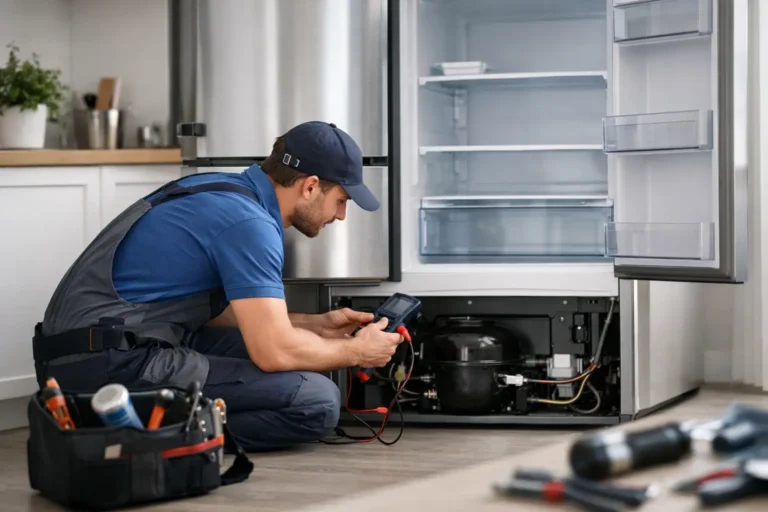
A cold tumble dryer usually shows up at the worst possible time – when school uniforms, work shirts or bedding need drying the same day. If you are searching for tumble dryer not heating repair, the key question is not just what has failed, but whether the fault is safe and economical to fix.
In many cases, a dryer that tumbles normally but produces no heat has a repairable fault. The challenge is that several different parts can cause the same symptom. A blocked airflow path, a failed heater, a tripped thermostat or an electronic control issue can all leave you with damp laundry and a machine that sounds as if it is working.
What causes a tumble dryer to stop heating?
The most common cause is restricted airflow. Tumble dryers rely on steady air movement to heat and dry clothes properly. If the lint filter is clogged, the condenser is blocked, or the vent hose is crushed or full of fluff, the appliance can overheat internally and trigger its safety cut-out. Once that happens, the drum may still turn, but no heat reaches the load.
Heating elements are another regular failure point, especially in older vented and condenser dryers. The element can burn out over time, much like a filament or oven element eventually fails. When that happens, the machine may continue through its cycle with no obvious warning apart from clothes remaining cold and wet.
Thermostats and thermal cut-outs also fail. These safety components monitor temperature and shut the heater down if the appliance runs too hot. Sometimes they trip because airflow has been poor for weeks. Sometimes the part itself has simply worn out. Either way, replacing the failed component without addressing the underlying airflow issue can lead to a repeat fault.
On newer models from brands such as Bosch, Miele, Samsung, Neff, Siemens and LG, control boards and sensors also play a bigger role. Moisture sensors, relays and electronic modules can all interrupt heating. That is why tumble dryer not heating repair is not always a straightforward heater swap.
Before you book a tumble dryer not heating repair
There are a few safe checks worth doing first. Start with the basics. Empty the lint filter completely, clean the condenser unit if your model has one, and inspect the water container on condenser or heat pump dryers. If the machine cannot circulate air or manage condensation properly, drying performance drops sharply.
Next, check the programme selected. It sounds obvious, but many modern tumble dryers have cool air, delicates or energy-saving settings that use lower heat. If the dryer has recently been reset after a power cut, it may be running a different cycle than expected.
Also look at the load itself. Overloading can make a heating fault seem worse because air cannot move through the fabrics. On the other hand, a very small load can confuse some sensor drying programmes and end the cycle too early.
If the appliance repeatedly trips the electrics, smells burnt, or stops mid-cycle, stop using it. Those symptoms point to a fault that needs proper diagnosis rather than trial and error.
Faults a professional engineer will usually test
A proper diagnosis is quicker and cheaper than replacing parts on guesswork. An engineer will typically test the heater circuit, thermostats, thermal fuse, wiring continuity and control board output. On heat pump dryers, the checks are different again and may involve sensors, compressors and more complex electrical testing.
This matters because the visible symptom is often misleading. A dryer that is not heating may actually have a failed fan motor, a broken relay on the main PCB, or a door switch issue preventing the heating circuit from engaging. Replacing the wrong part wastes time and often costs more than the correct repair would have done.
Good repair work is not just about fitting a component. It is about finding the reason the component failed. If a thermal cut-out has opened because the machine is packed with lint internally, the dryer needs cleaning and airflow checks as well as the part itself.
Is it worth repairing a tumble dryer with no heat?
Usually, yes – but it depends on the model, age and fault. If the appliance is under eight years old and otherwise in good condition, a no-heat problem is often worth repairing. Heater elements, thermostats and wiring faults are commonly fixable without the cost of full replacement.
The calculation changes with older machines or premium heat pump models. An older budget dryer with multiple worn parts may not justify a major repair. A newer higher-end machine, however, can still be worth fixing even if the parts cost more, simply because replacement prices are much higher.
This is where transparent pricing matters. Households rarely want a vague estimate followed by extra charges once the machine is apart. A fixed-price quote after diagnosis gives you a clear repair-versus-replace decision without pressure.
Why dryers lose heat after poor maintenance
A surprising number of heating faults start as maintenance issues rather than component defects. Lint is the main culprit. It collects in filters, condensers, vent hoses and internal ducts. Over time, airflow drops and internal temperatures rise. The dryer then runs longer, works harder and places more strain on safety parts.
That does not mean every no-heat fault is preventable. Components wear out. Relays fail. Elements burn through. But regular cleaning reduces the chances of a simple airflow issue turning into a more expensive repair.
If your dryer has started taking longer to dry for several weeks before losing heat completely, that pattern often points to airflow restriction first, then secondary part failure.
Can you fix a tumble dryer not heating yourself?
Cleaning the filter, condenser and accessible venting is sensible. Opening the machine and testing live electrical components is not. Tumble dryers contain high-voltage parts, sharp metal edges and, in some models, capacitors that require safe handling. Heat pump appliances are even less suitable for DIY repair.
There is also the issue of misdiagnosis. A homeowner may order a heating element online because that seems the obvious cause, only to find the real fault lies with a thermostat, wiring loom or control board. By the time the wrong part has been fitted and returned, the laundry problem has dragged on for another week.
For busy households, landlords and tenants, speed matters almost as much as price. A professional visit often gets you to the right answer on the first appointment, especially when common replacement parts are already carried.
What to expect from a professional tumble dryer repair
A reliable repair service should explain the fault clearly, confirm whether the machine is safe to use, and give you a straightforward quote before work goes ahead. That is particularly important if the dryer is integrated into a utility space or stacked near other appliances, where poor workmanship creates unnecessary risk.
Look for practical reassurance rather than sales language. Certified engineers, DBS checks, guaranteed arrival windows, genuine parts and a written warranty all reduce the uncertainty that puts many people off booking a repair in the first place. If the service offers no-fix-no-fee terms, that gives added protection when the economics of repair are borderline.
For households in West London, where missed appointments and vague call-out times can turn one broken appliance into a full day lost, organised booking and a defined arrival window are not small details. They are part of the repair value.
How to prevent the same fault happening again
After any tumble dryer not heating repair, prevention is straightforward but worth taking seriously. Clean the lint filter after every cycle. Wash condenser units periodically if your manufacturer allows it. Keep the surrounding space ventilated and avoid pushing vented dryers hard against the wall where hoses can kink.
It also helps to pay attention to small performance changes. If the dryer suddenly needs two cycles instead of one, or feels unusually hot on the outside, do not wait for a total loss of heat. Early diagnosis is often cheaper and reduces the risk of damaging other components.
If you use the dryer heavily – large family loads, rental properties, or daily washing – a periodic professional inspection can make sense. The machine works in a hot, lint-heavy environment, and minor issues build quietly before they become breakdowns.
A tumble dryer that runs without heat is frustrating, but it is rarely a mystery once it is tested properly. The fastest route back to dry laundry is a clear diagnosis, a sensible repair decision and a service that treats your time as seriously as the fault itself.