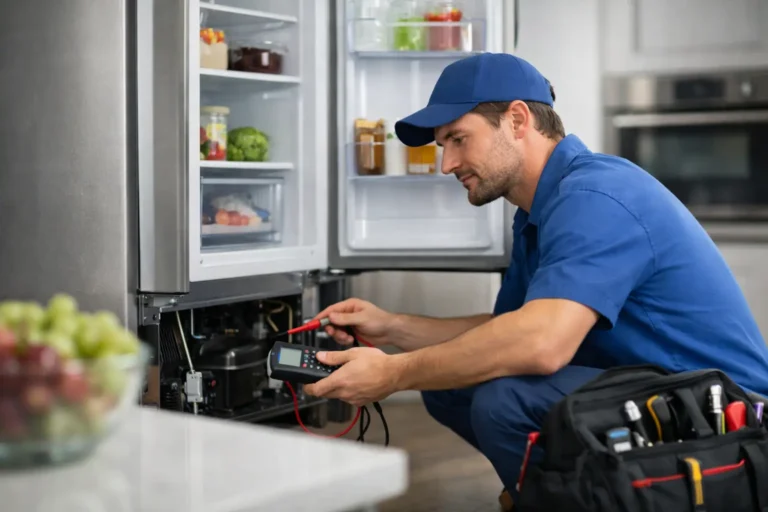
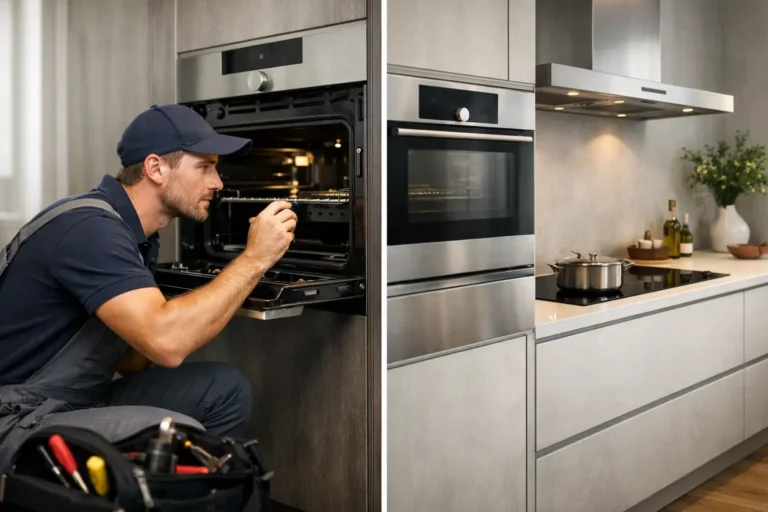
A washing machine that will not drain before the school run, or a fridge freezer warming up with a full weekly shop inside, creates a problem that cannot be put on hold. A 90-minute engineer arrival window gives you something many repair services do not: a clear, manageable time to expect help, rather than an open-ended day spent waiting at home.
For busy households, tenants and landlords, the difference is practical. You can plan work calls, arrange access to the property and know when to be available for the engineer. More importantly, a defined window reflects an organised repair operation – one that respects your time from the first booking through to the completed repair.
What a 90-minute engineer arrival window means
An arrival window is the period in which your engineer is scheduled to arrive, not the expected length of the repair. If you are given a 90-minute window, the engineer should attend within that stated period. It is a more useful commitment than being told somebody will call by “sometime today”.
Appliance repairs cannot always run to the minute. A previous job may involve an unexpected fault, a built-in appliance may take longer to access, or traffic can affect travel time across West London. A professional service accounts for these realities with a realistic window, route planning and clear customer updates. The aim is not to make an impossible promise. It is to remove the uncertainty that makes appliance breakdowns more disruptive than they need to be.
A reliable window also gives the engineer enough time to arrive prepared. The job description, appliance type, brand, fault symptoms and any error code supplied at booking all help them bring the right diagnostic equipment and commonly needed parts. That preparation can make the difference between identifying a fault quickly and requiring a second visit.
Why waiting all day is not an acceptable repair plan
Many people have experienced the familiar frustration: an appointment booked for morning or afternoon becomes a full day at home, with little information and no confidence that anyone is actually coming. That approach shifts all of the inconvenience onto the customer.
A 90-minute slot is particularly valuable when the appliance is essential. A faulty dishwasher may be inconvenient, but a leaking washing machine can damage flooring, and a fridge freezer with a cooling failure may put food at risk. Parents, people working from home and landlords coordinating tenant access need a service that treats timing as part of the repair, not an afterthought.
There is a trade-off worth understanding. A very narrow arrival promise may sound appealing, but it can be unreliable if it ignores real repair variables. A well-managed 90-minute window is often the better standard: specific enough to plan around, yet realistic enough to be honoured consistently.
How to make the appointment run smoothly
The information you provide before the engineer arrives can help protect the appointment and speed up the diagnosis. You do not need technical knowledge. Clear observations are far more useful than guesswork.
If possible, have the appliance make and model to hand, along with the fault code shown on the display. Explain what happened immediately before the problem began. For example, note whether a washing machine stopped mid-cycle, whether an oven trips the electrics when it heats, or whether a fridge freezer is running constantly but no longer cooling properly.
Make sure there is safe access to the appliance. Clear laundry baskets, cleaning products and stored items from the immediate area, particularly around integrated appliances. If the repair is at a rental property, confirm who can approve work and payment before the visit. For a landlord or managing agent, this avoids delays after the diagnosis.
You should also tell the repair company about anything that may affect access: parking restrictions, gated entry, a concierge, pets in the home or an appliance located in a tight utility cupboard. These details help an engineer arrive ready to work rather than spend valuable time solving avoidable access issues.
When the fault is urgent
Not every appliance problem needs an emergency response, but some should not be left until a convenient date. Switch off and isolate the appliance where it is safe to do so if you notice burning smells, smoke, sparking, repeated tripping at the consumer unit, significant leaks or damaged cables. Do not continue using it to see whether the problem clears.
For refrigeration faults, keep the doors shut as much as possible to retain the cold. Move perishable food to another fridge or freezer if you can. Cooling systems require specialist handling, and work on refrigerant circuits should be carried out by appropriately certified engineers.
When booking, describe urgency accurately. It helps the team prioritise the right jobs without treating every error code as an emergency. A dependable arrival window is most effective when scheduling is based on a clear understanding of the risk and the appliance involved.
Arrival time matters, but so does what happens next
A prompt arrival is only the first part of a good repair service. Once on site, the engineer should assess the appliance, explain the likely cause in plain language and provide a clear price before proceeding. Customers should not be left trying to interpret vague findings or worrying that extra charges will appear after work has started.
Fixed-price quotes are valuable because they make the decision straightforward. You can weigh the repair cost against the appliance’s age, condition and expected remaining life. In some cases, replacement may be more sensible – particularly where an older machine has multiple worn components or a major sealed-system failure. In many cases, however, a targeted repair is considerably more economical and avoids the disruption of choosing, delivering and installing a replacement.
The parts question also matters. A quality repair should use suitable parts and be backed by a written warranty covering both parts and labour. That gives you protection if the same repaired component develops a problem, while a no-fix-no-fee policy reduces the risk of paying for a result you did not receive.
CrownTech Appliances combines a guaranteed 90-minute arrival window with certified, DBS-checked engineers, clear fixed-price quotations and a 12-month written parts and labour warranty. Those commitments are designed to make arranging an in-home repair feel controlled and transparent, even when the breakdown itself is unexpected.
What to expect if a repair needs a part
Same-day repair is often possible when the fault can be resolved with a stocked or readily available part. Common problems such as worn door seals, blocked pumps, faulty heating elements, damaged belts or failed oven components may be repaired during the first visit, depending on the appliance and diagnosis.
Some repairs need a specific part ordered for your exact model. This is more common with control boards, specialist sensors, integrated appliance fittings and certain fridge freezer components. In that situation, a good engineer will tell you why the part is required, what will happen next and whether continued use of the appliance is safe.
A first visit that results in an accurate diagnosis is still progress. It prevents the expense and delay of fitting the wrong component, especially on premium appliances from Bosch, Miele, Siemens, Neff, Samsung or LG where model-specific parts and software can matter.
Questions worth asking before you book
You do not need to compare every repair firm in detail, but a few direct questions quickly show whether the service is properly managed. Ask whether the arrival window is guaranteed, whether you will receive updates if the engineer is delayed, and whether the quoted price is fixed before work begins.
For cooling appliances, ask about F-Gas certification. For any in-home visit, it is reasonable to ask whether engineers are checked and insured, and whether repairs come with a written warranty. These are not extras. They are the basics that protect your home, your time and your budget.
Be cautious of a price that is unusually low but unclear about labour, call-out charges, parts or return visits. The cheapest initial figure can become expensive if it excludes the work needed to put the appliance right. Transparent pricing lets you decide with the full picture in front of you.
The best repair appointment should not force you to rearrange your whole day or chase updates. Choose a service that gives you a credible time window, explains the repair plainly and stands behind the work – then you can get back to a functioning home with far less disruption.