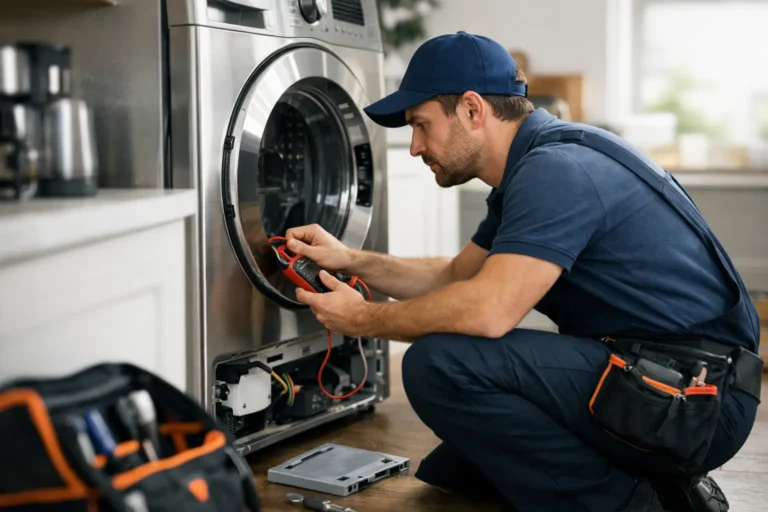
A washing machine that stops mid-cycle, a fridge freezer that is no longer cold, or an oven that will not heat properly can disrupt the whole household within hours. Appliance repair is often the quickest and most cost-effective answer, but only when the fault is diagnosed properly and the price is clear before work begins.
For busy households, landlords and tenants, the real question is rarely just whether an appliance can be repaired. It is whether the repair is safe, worthwhile and likely to last. That decision depends on the appliance’s age, the nature of the fault, the availability of genuine parts and the quality of the engineer carrying out the work.
When appliance repair is the sensible choice
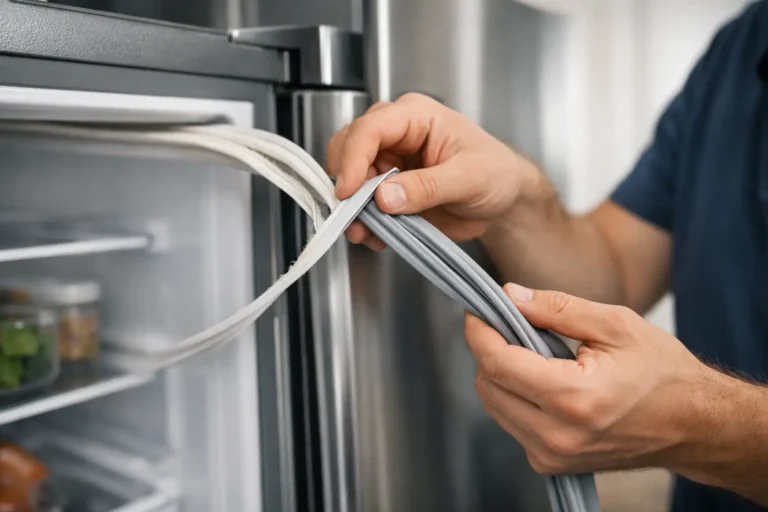
A single failed component should not automatically mean replacing an otherwise dependable appliance. Common faults such as worn door seals, blocked pumps, faulty heating elements, broken belts, damaged hinges, thermostats and control switches can often be repaired without replacing the entire machine.
Repair is particularly worthwhile when the appliance is under around eight years old, has been reliable until now and the fault is isolated. A quality washing machine, dishwasher or oven may have plenty of useful life remaining after a properly completed repair. Premium brands are often designed with serviceable components, making replacement of a specific part more economical than buying a new appliance.
The calculation changes when several major components are failing, corrosion is widespread, parts are obsolete or the appliance has a history of repeat breakdowns. A low-cost machine nearing the end of its expected lifespan may not justify an expensive electronic module or motor replacement. A professional engineer should explain this plainly rather than pushing a repair that offers poor value.
For refrigeration appliances, the urgency can alter the decision. A fridge freezer that is losing temperature needs prompt attention to protect food and prevent a minor issue becoming a compressor or sealed-system problem. In many cases, a failed fan, sensor, defrost component or door seal can be resolved quickly. Refrigerant-related work, however, must be handled by an appropriately F-Gas certified engineer.
Faults that should not wait
Some appliance problems are inconvenient. Others create a safety risk or can cause significant damage to your home. Switch off and isolate the appliance where it is safe to do so, then arrange professional help promptly if you notice any of the following:
- Burning smells, smoke, scorching or repeated tripping of the consumer unit
- Water leaking onto the floor, particularly near electrical connections
- A gas smell from a gas appliance, which requires immediate emergency action through the gas emergency service
- A fridge freezer that is warm, unusually noisy or displaying a temperature alarm
- Sparks, damaged cables, loose plugs or a hot socket
Do not continue using an appliance simply because it works intermittently. Electrical faults can worsen under load, and a slow dishwasher or washing machine leak can damage flooring, cupboards and neighbouring properties before it becomes obvious.
What a proper diagnosis should involve
Good appliance repair starts with evidence, not guesswork. The engineer should ask what happened before the fault appeared, whether there are error codes, how the appliance is behaving and whether the issue is constant or intermittent. Those details can point towards a drainage fault, heating issue, motor problem, sensor failure or electronic control fault before the appliance is even opened.
On arrival, the engineer should inspect the appliance, test relevant components and identify the cause rather than merely treating the symptom. For example, water left in a washing machine may be caused by a blockage, a failed drain pump, a damaged wiring connection or an issue with the control board. Replacing a pump without testing it may produce an unnecessary bill and leave the underlying problem unresolved.
Ask for the diagnosis in plain language. You should understand what has failed, why it has failed where this can be established, what part is required and whether further issues are likely. Technical knowledge matters, but clear communication matters just as much when you are deciding whether to approve the work.
Fixed pricing removes the guesswork
Unexpected repair costs are one of the biggest reasons people delay booking an engineer. The best service model is straightforward: diagnosis first, a fixed quote before repair work begins, and no surprise extras added afterwards.
A quote should make clear whether labour, parts, call-out charges and VAT are included. If a part has to be ordered, you should also know whether a return visit is needed and when the appliance is likely to be back in service. There are occasions where a fault cannot be economically repaired or parts are no longer available. In that situation, a no-fix-no-fee approach gives customers a fair way to make the next decision without paying for an unsuccessful repair.
Price should not be the only measure. A very cheap quote can conceal poor-quality parts, an inexperienced engineer or no meaningful guarantee. A written parts and labour warranty gives you a clear route back if the same repaired fault returns.
Genuine parts and specialist knowledge make a difference
Not all replacement parts perform equally. Genuine manufacturer parts are made for the appliance model and are usually the safest choice for components such as heating elements, pumps, shelves, seals, thermostats and electronic assemblies. High-quality compatible parts can be appropriate in some cases, particularly where genuine parts are unavailable or disproportionately expensive, but the choice should be explained before fitting.
Brand experience also matters. Bosch, Miele, Samsung, Neff, Siemens and LG appliances each have their own common fault patterns, diagnostic modes and component layouts. American-style fridge freezers, induction hobs and bean-to-cup coffee machines can be especially complex, with water systems, inverter technology or electronic controls that require focused knowledge.
A competent engineer will not claim that every fault has the same answer. A dishwasher that is not cleaning may need a simple filter clean, but it may also have a circulation pump issue. An induction hob fault may relate to the supply, the pan detection system or an internal power module. Accurate testing protects both the appliance and your budget.
How to prepare for an engineer visit
A few minutes of preparation can make a repair visit faster. Keep the appliance model and serial number available, usually found on a label around the door frame, rear panel or inside edge. Take a photo of any error code and note when the problem occurs, such as during heating, draining, spinning or cooling.
If possible, clear access to the appliance and remove items from inside it. For washing machines and dishwashers, avoid disconnecting water hoses unless you are confident it is safe. If the appliance is leaking or electrically unsafe, isolate it and leave it switched off for the engineer to inspect.
For landlords and property managers, prompt action is particularly valuable. A broken fridge, cooker or washing machine can affect a tenant’s daily living, while a leak can create a more expensive maintenance issue. A booked arrival window and clear repair updates reduce disruption for everyone involved.
Choosing an appliance repair company with confidence
The difference between a stressful breakdown and a resolved problem often comes down to the service behind the repair. Look for a company that provides a defined arrival window, confirms pricing before work starts, uses certified and checked engineers, and stands behind completed work in writing.
For cooling appliances, ask about F-Gas certification. For work inside your home, DBS-checked engineers and professional identification offer added reassurance. Reviews are useful too, but look beyond the star rating. The most telling feedback often mentions punctuality, clear explanations, tidy work and whether the repair lasted.
CrownTech Appliances provides same-day, in-home support across West London for a broad range of domestic appliances, with fixed-price quotes, a 90-minute arrival window and a 12-month written parts and labour warranty. Those details matter when a household needs certainty rather than another vague appointment promise.
Make the decision before the disruption grows
The right repair is not always the cheapest immediate option, and replacement is not always the most sensible long-term one. A professional diagnosis gives you the information to compare both routes honestly: the appliance’s condition, the repair cost, likely remaining lifespan and the risk of further faults.
If an appliance is unsafe, leaking, losing refrigeration or preventing normal life at home, act early. A clear diagnosis, transparent quote and properly guaranteed repair can turn a breakdown from a household crisis into a straightforward job done properly.