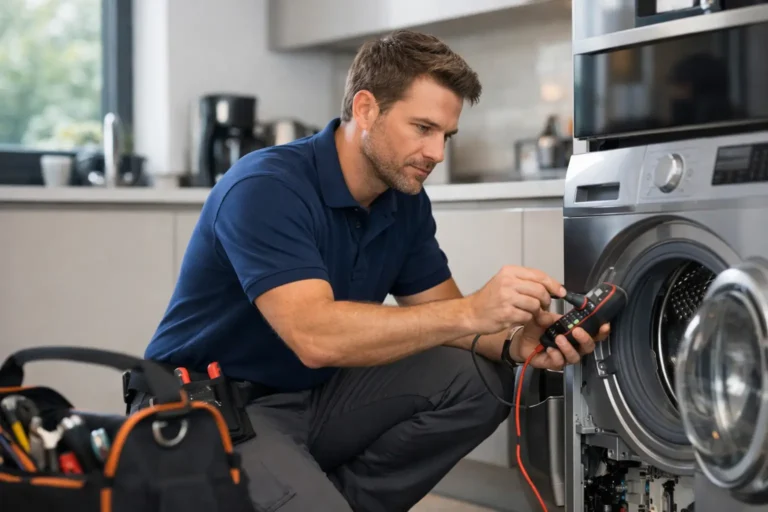
A fridge that is running but no longer keeping food cold can turn from an inconvenience into a costly problem within hours. Calling a certified fridge repair engineer gives you more than a quick opinion on the fault: it means the appliance is assessed safely, the refrigeration system is handled correctly and you receive a clear recommendation on whether repair is worthwhile.
For households, landlords and property managers, the right engineer also removes the usual uncertainty. You should know when they will arrive, what the repair is likely to cost and what warranty protects the work before you agree to proceed.
What does a certified fridge repair engineer do?
The term covers an engineer with the appropriate training and certification to diagnose and repair domestic refrigeration appliances, including fridge freezers, built-in fridges, wine coolers and American-style fridge freezers. The most relevant qualification depends on the fault.
If the issue involves the sealed cooling system – such as a refrigerant leak, compressor problem or regassing work – the engineer must hold F-Gas certification. This is a legal requirement for anyone recovering, handling or working with fluorinated refrigerant gases. It protects the environment, but it also protects your appliance from unsafe, ineffective work.
Not every fridge fault requires sealed-system work. A failed thermostat, damaged door seal, faulty fan, defrost heater or control-board issue can often be repaired without opening the refrigerant circuit. Even then, a properly trained appliance engineer matters. Modern fridges combine electrical controls, sensors, fans, heaters and increasingly complex diagnostics. Replacing a part without confirming the underlying cause can leave you paying twice.
A professional visit should include fault diagnosis, an explanation in plain English, a fixed-price quote before repair and a written warranty on approved parts and labour. Certification is one part of trust. Clear process and accountability are the rest.
Signs you need a certified fridge repair engineer
Some fridge issues can wait until a convenient appointment. Others need same-day attention, particularly where food safety or a possible electrical fault is involved.
A fridge compartment consistently above 5°C needs prompt investigation. Milk, meat, cooked food and other chilled items may no longer be safe, even if the appliance sounds as though it is operating normally. Put a fridge thermometer inside rather than relying on the temperature displayed on a control panel, then avoid repeatedly opening the door while you arrange help.
Warmth in both the fridge and freezer, a compressor that clicks repeatedly, burning smells, tripping electrics or visible damage to the power cable should be treated as urgent. Switch the appliance off at the mains if it is safe to do so. Do not attempt to remove rear covers, interfere with wiring or use online regas kits. Refrigerant work is not a DIY task.
Other common signs include excessive frost, water beneath the crisper drawers, a freezer that works while the fridge stays warm, loud fan noise and a fridge motor that runs almost constantly. These may stem from a blocked drain, door-seal failure, fan motor issue, defrost fault or sensor problem. The symptoms overlap, which is why diagnosis should come before parts are ordered.
Why F-Gas certification matters for fridge repairs
A refrigerant circuit is sealed for a reason. When a fridge develops a leak or compressor fault, simply adding gas does not solve the problem. A competent F-Gas certified engineer must first identify the fault, assess whether the system can be repaired economically, recover refrigerant correctly where required and pressure-test the repair before recharging the appliance to the manufacturer’s specification.
Shortcuts can cause lasting damage. Overcharging or using an incorrect refrigerant can reduce cooling performance, strain the compressor and create safety risks. It may also invalidate warranties or leave a homeowner with an appliance that fails again soon afterwards.
This is especially relevant with American-style fridge freezers and newer inverter models. Their cooling systems and electronic controls can be more complicated than those of a standard under-counter fridge. An engineer with experience across brands such as Bosch, Miele, Samsung, Siemens, Neff and LG can interpret fault behaviour without guessing.
There is a practical trade-off, however. Sealed-system repairs are often more expensive than replacing a fan, thermostat or door seal. If a fridge is older, has multiple faults or needs a compressor replacement, a good engineer should tell you honestly when replacement makes better financial sense. A repair recommendation should be based on the appliance’s age, condition, fault type and the availability of genuine parts – not on pressure to sell a repair.
What to expect from a professional repair visit
A reliable service starts before the engineer arrives. For an urgent breakdown, a guaranteed arrival window is far more useful than being asked to wait at home all day. Ask whether the engineer is DBS-checked, whether the visit includes diagnosis and whether the quoted price covers labour, parts and VAT.
During the appointment, the engineer should inspect the appliance’s temperature performance, airflow, seals, fans, controls, drainage and electrical components as relevant. They may ask when the problem began, whether there has been a power cut or move, and whether the fridge has recently been overfilled. These details help distinguish a genuine fault from poor ventilation, a door left ajar or a temporary defrost issue.
Once the cause is confirmed, you should receive a clear choice. If the repair can be completed on the first visit, the engineer should explain the work and obtain approval before fitting parts. If a specific component must be ordered, you should know the expected timescale and whether the appliance can be used safely in the meantime.
Written protection matters after the visit too. A 12-month parts and labour warranty gives households a straightforward route back to the repairer if the fitted component fails or the same repair issue returns. Be wary of vague verbal promises, cash-only arrangements or quotes that change after the work has started.
Checks worth making before you book
You can save time by confirming a few basics. Check that the plug is secure, the socket has power and the appliance is not pushed tightly against a wall or enclosed without ventilation. Clean dust from accessible vents and make sure food is not blocking internal air channels. If the door seal is visibly torn or no longer grips around the frame, mention this when booking.
Do not mistake these checks for a full diagnosis. A fridge that appears to recover after being switched off and on may still have a defrost, sensor or compressor issue. Equally, persistent frost may point to a door-seal problem, but it can also be caused by a faulty defrost system. The aim is to give the engineer useful information, not to dismantle the appliance yourself.
When booking, provide the make and model number if possible. It is usually found on a rating plate inside the fridge compartment or on the side wall. This helps a repair company check likely parts availability and send an engineer with the right brand knowledge.
Repair or replace? Make the decision with the full picture
Age is a useful guide, but it is not the only factor. A quality fridge that is six or seven years old with a failed fan motor may be an excellent candidate for repair. A 12-year-old unit with a leaking evaporator or failed compressor may not be, particularly if it is inefficient or replacement parts are difficult to source.
Consider the repair price against the cost of a comparable replacement, the appliance’s reliability history and whether the repair is covered by a written guarantee. Built-in models also have removal and installation implications that can make a sound repair more attractive than replacement. For landlords, a fast, documented repair can reduce tenant disruption and avoid the higher cost of an emergency replacement.
For West London households needing a clear answer rather than guesswork, CrownTech Appliances provides same-day in-home diagnosis with F-Gas certified engineers for cooling-system work, fixed-price quotes and a 12-month written parts and labour warranty.
If your fridge is warming, leaking or making unfamiliar noises, protect perishable food first and arrange a professional assessment promptly. The right repair can restore a dependable appliance; the right advice can stop you spending money on the wrong one.